Where AI Really Fits in POS and E-Commerce Payments
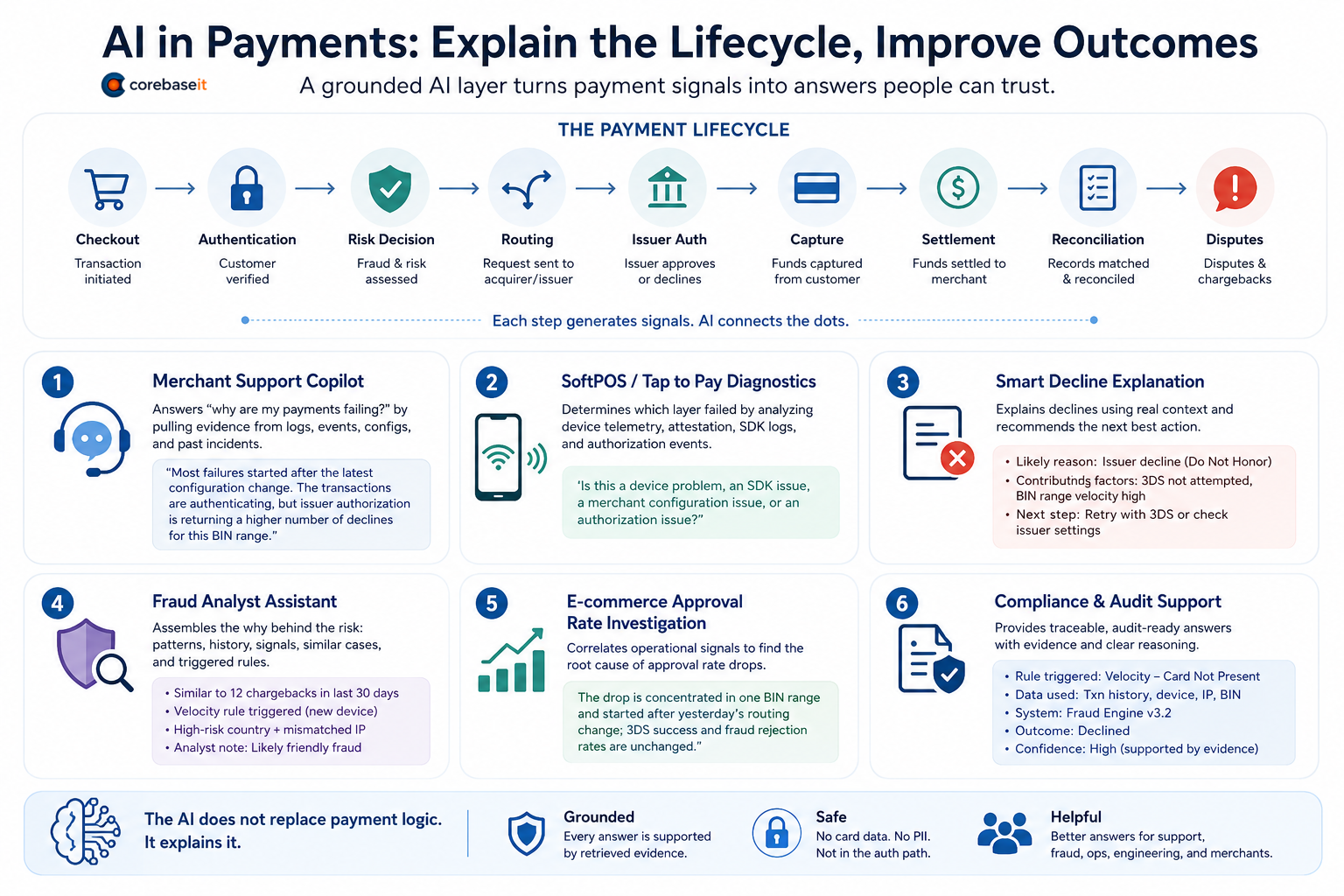
This is part 3 of a series on building grounded AI for payment systems. Part 1 made the case that payments need grounded AI, and part 2 Part 2covered the retrieval pattern that …
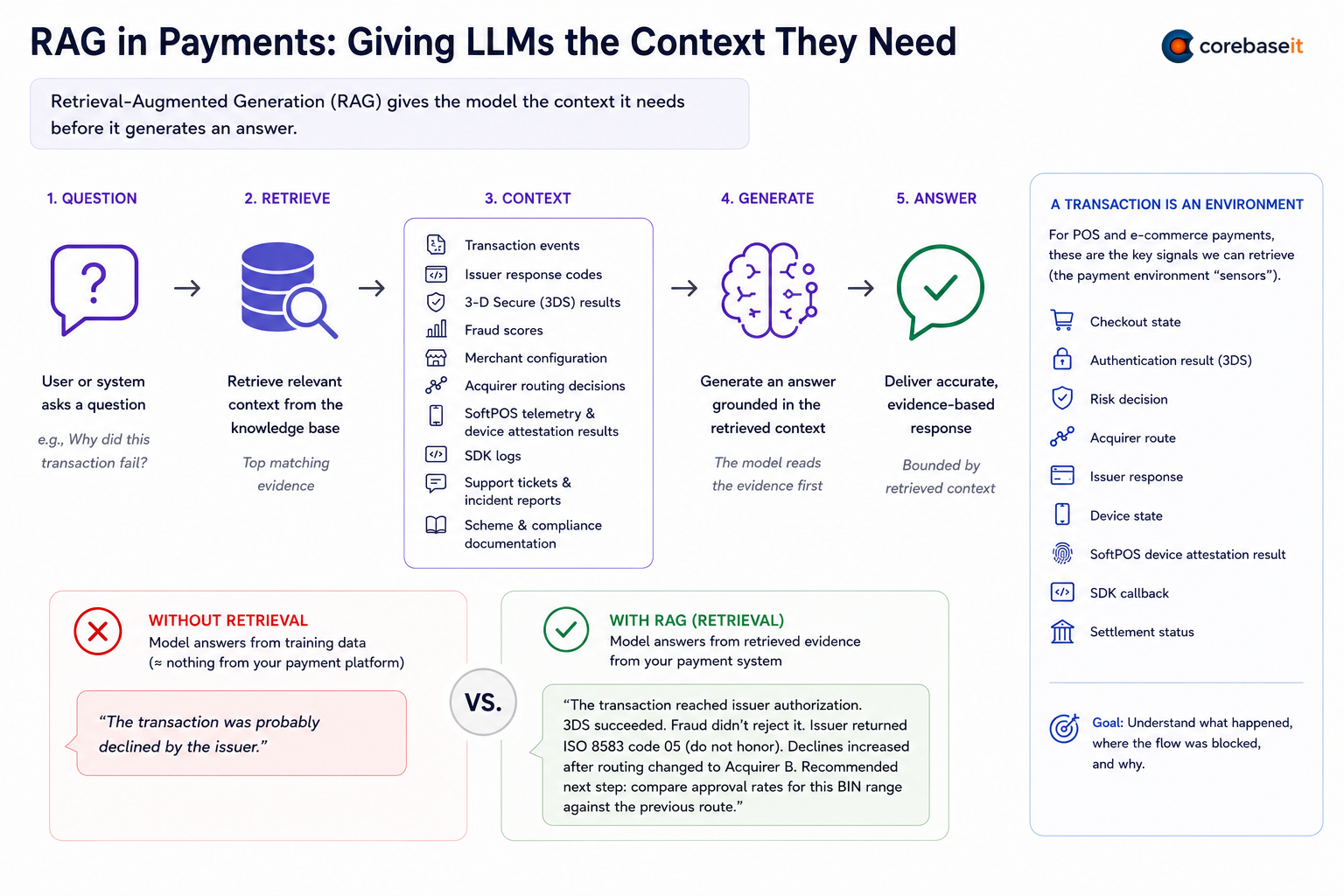
This is part 2 of a series on building grounded AI for payment systems. Part 1 made the case that payments need grounded AI, not a generic LLM guessing from training data. This …
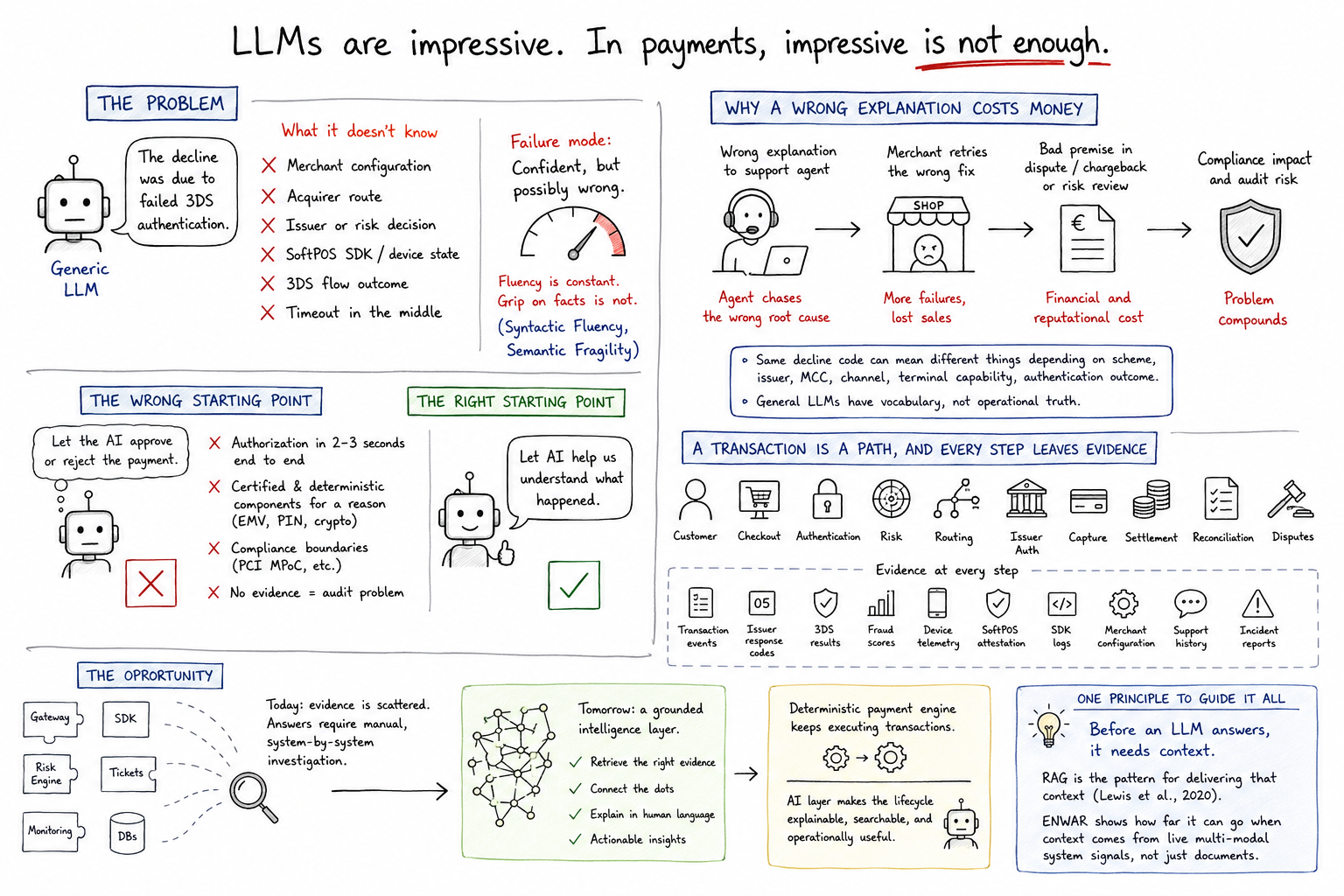
This is part 1 of a series on building grounded AI for payment systems. This post sets up the problem. Part 2 covers the retrieval pattern, and part 3 covers the practical use …
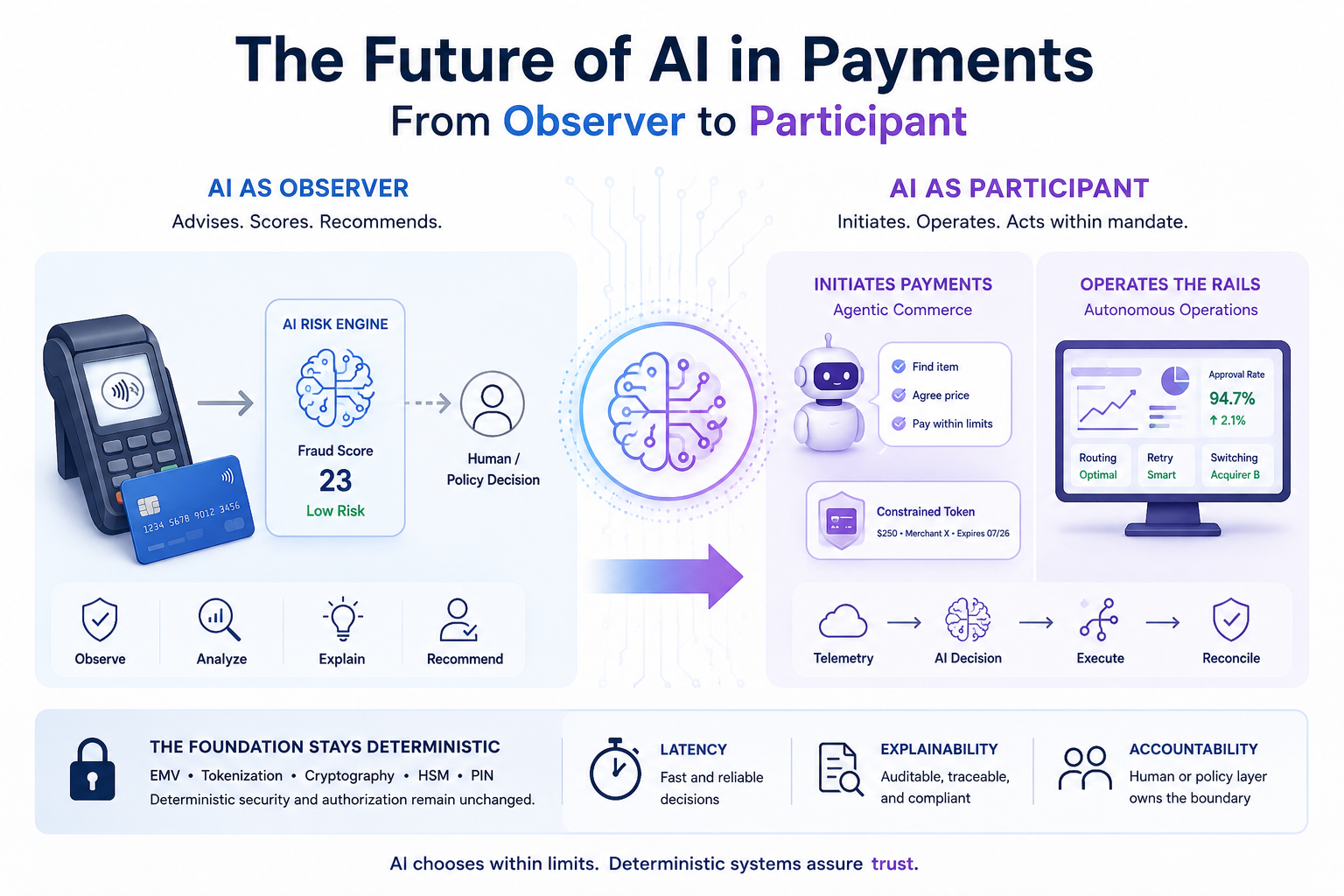
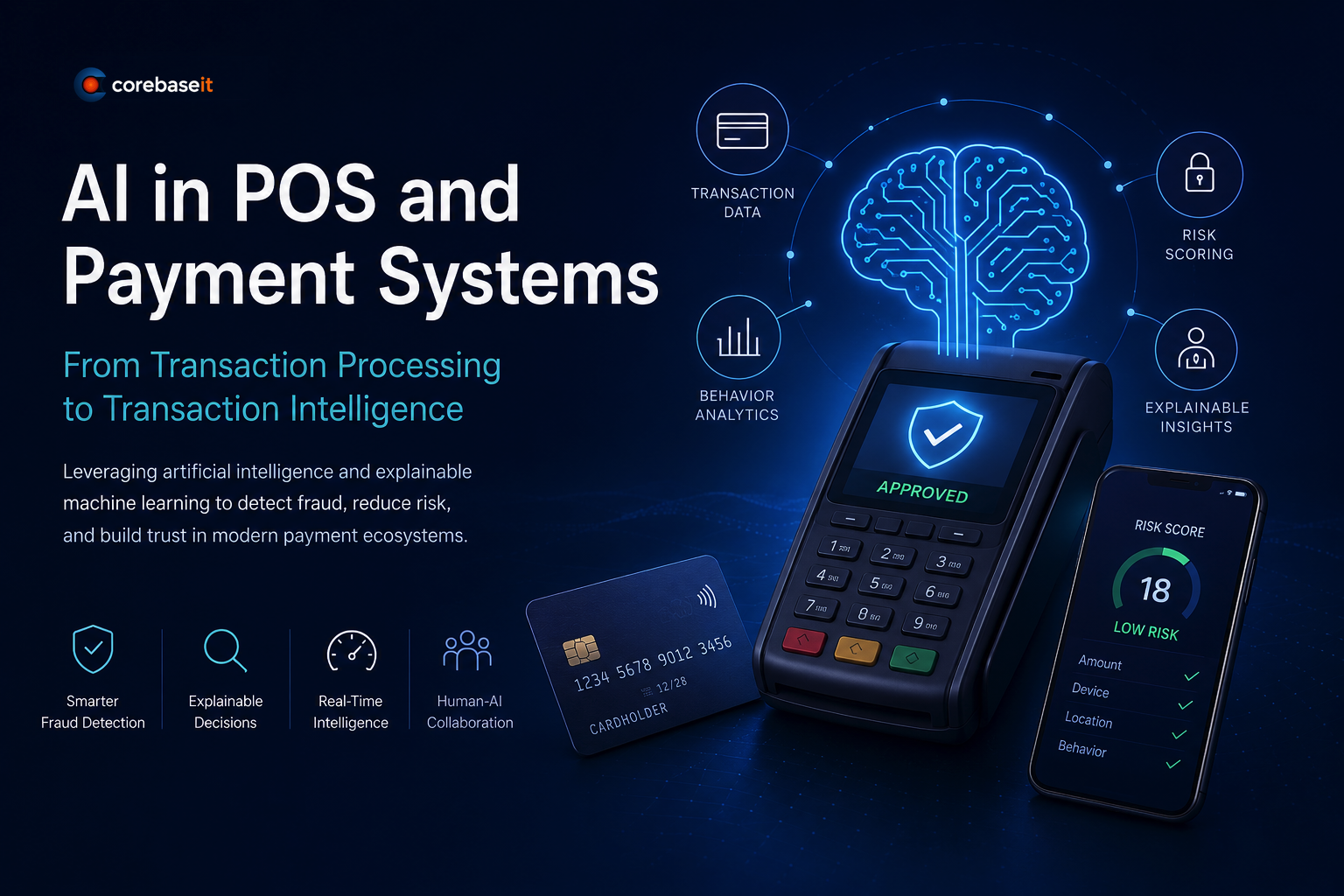
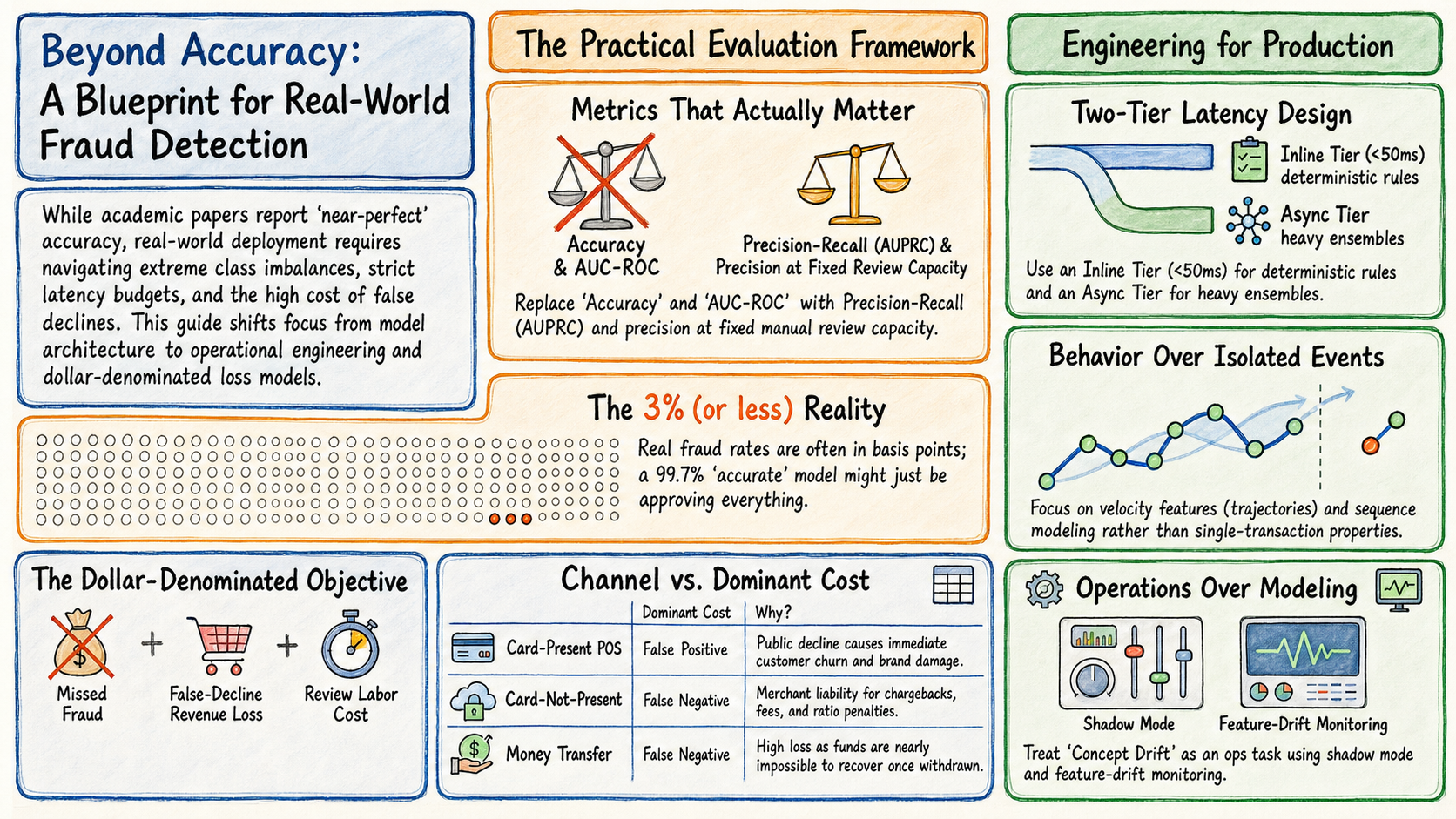
This post looks at where machine learning actually fits in a payment system: not inside the authorization path that EMV, tokenization, and the networks already own, but in the risk …
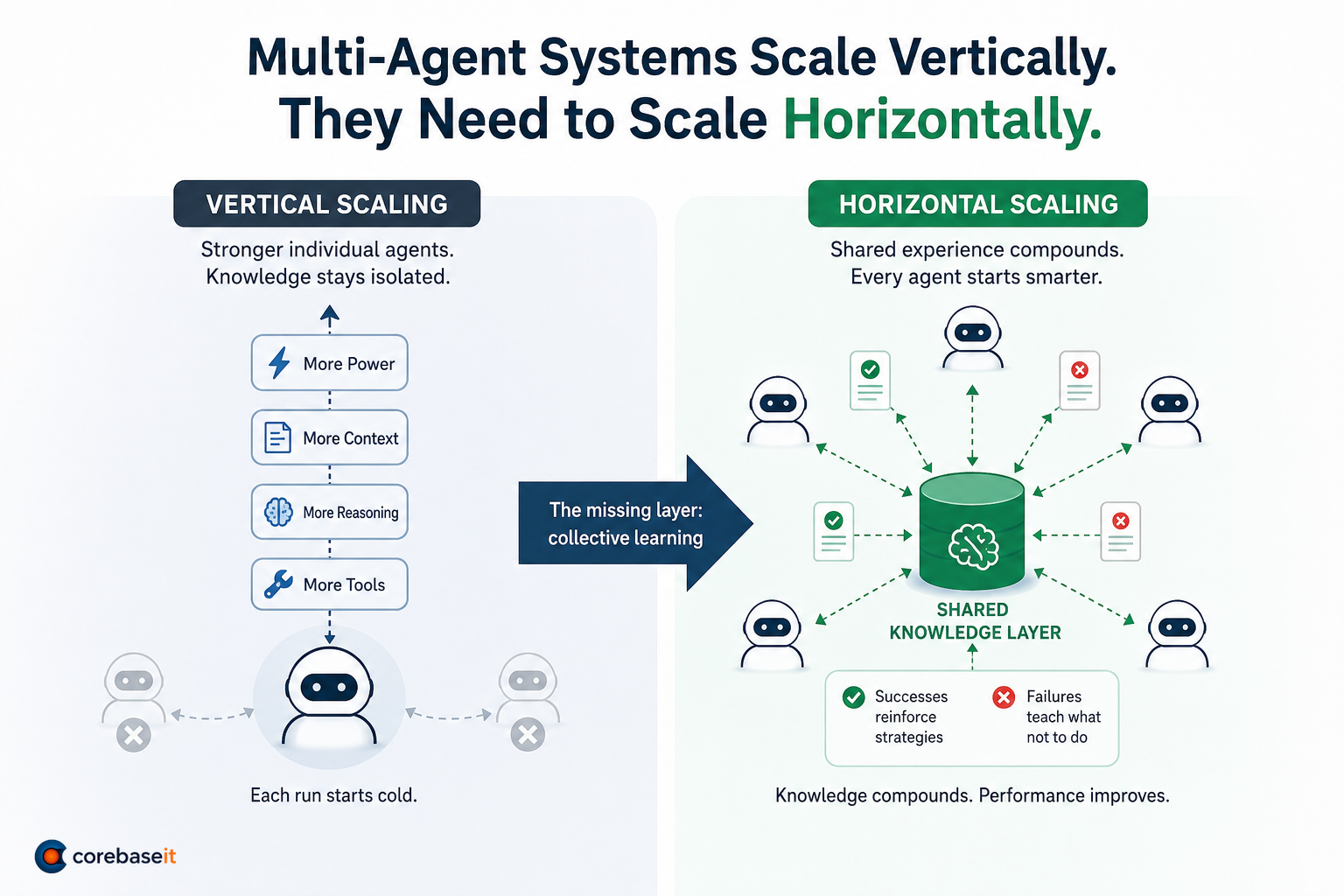
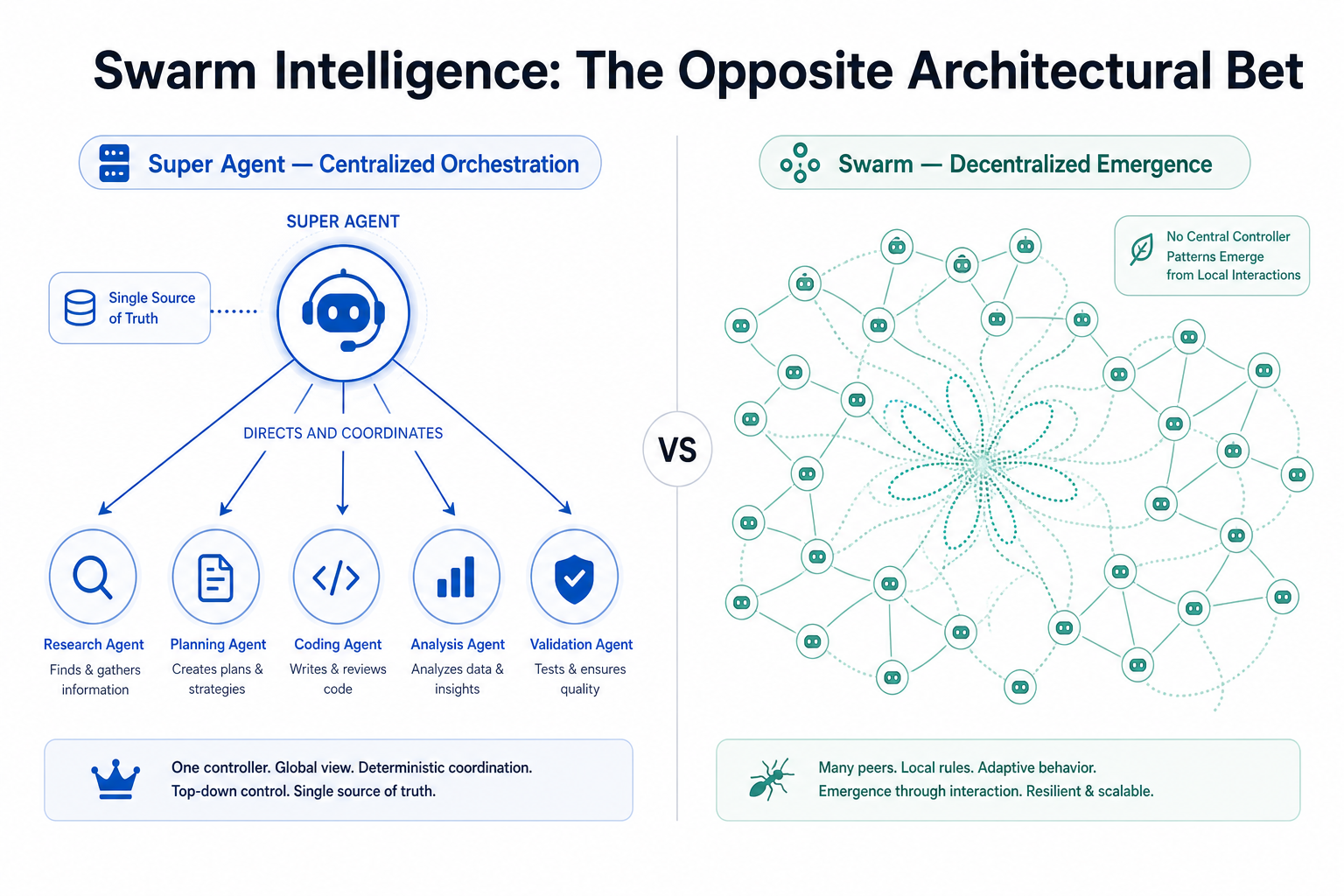
This post continues the ideas explored in Part I: Super Agents and Multi-Agent Communication and Part II: Swarm Intelligence. Those posts covered how agents coordinate within a …
This is Part II of a two-part series on multi-agent AI architecture. Part I covered the super agent pattern: centralized orchestration, structured communication, and a single …
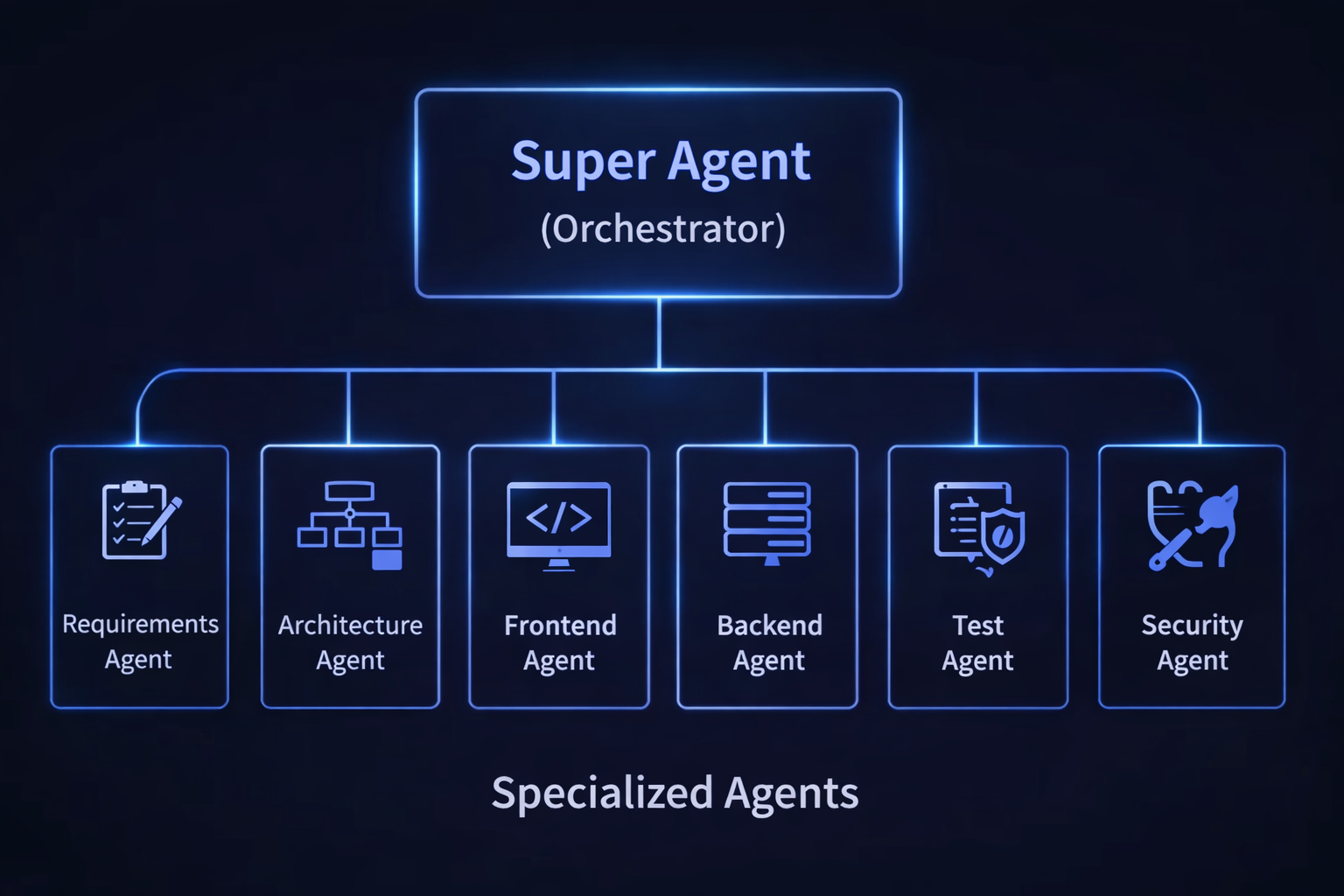
This is Part I of a two-part series on multi-agent AI architecture. This post covers centralized orchestration. Part II explores the opposite approach: swarm intelligence. …
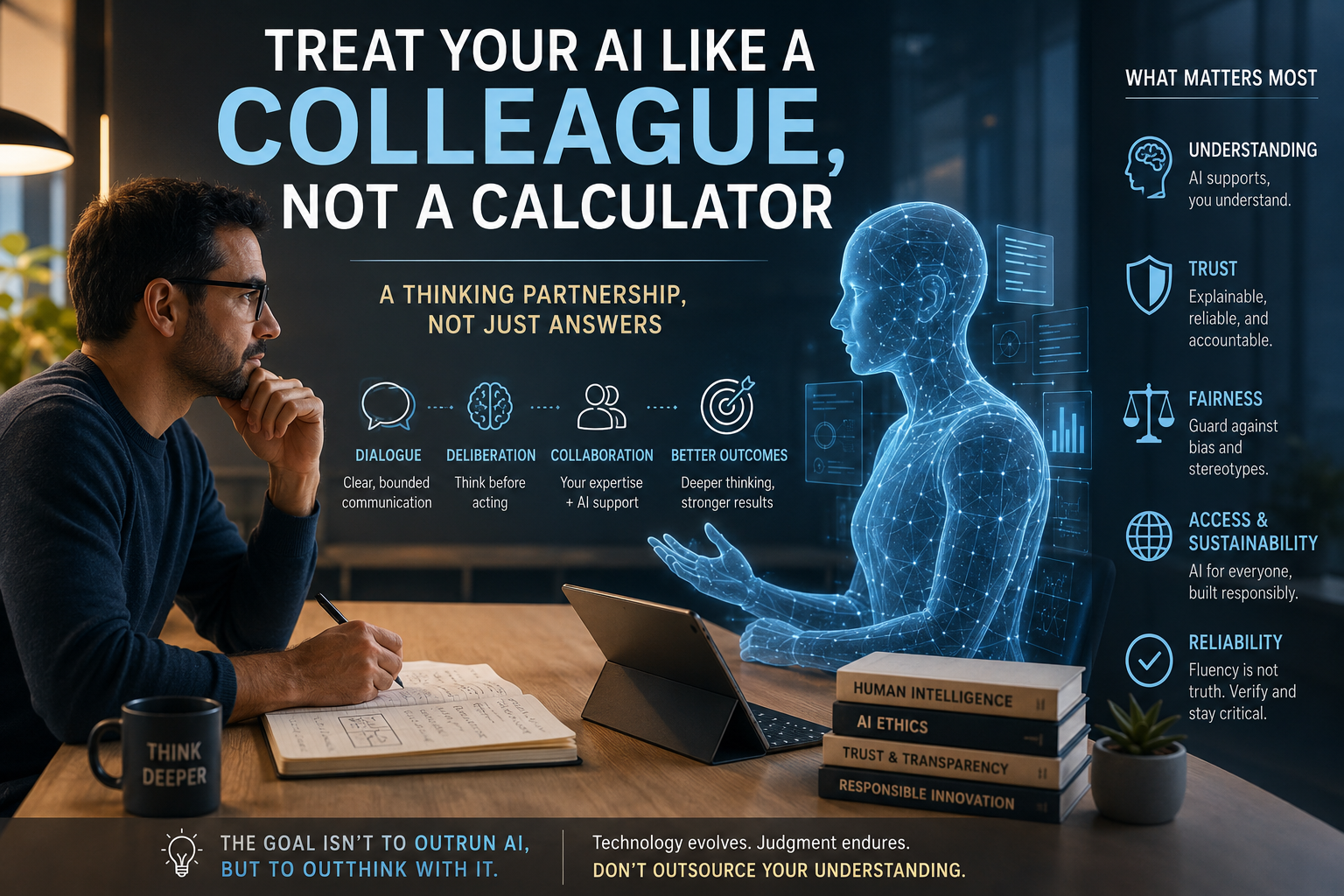
In a few short years, Large Language Models (LLMs) have moved from research labs into the core of how we work. They are no longer experimental novelties; they shape how we search, …
A line in the April 2026 issue of IEEE Computer stopped me mid-read. N. Kshetri and J. Voas point out that for earlier generations, parents, teachers, clergy, and professors were …
Modern AI is often framed as a clean break from classical engineering. For anyone who has worked in adaptive signal processing, that framing is misleading. The mathematical spine …