5 min read
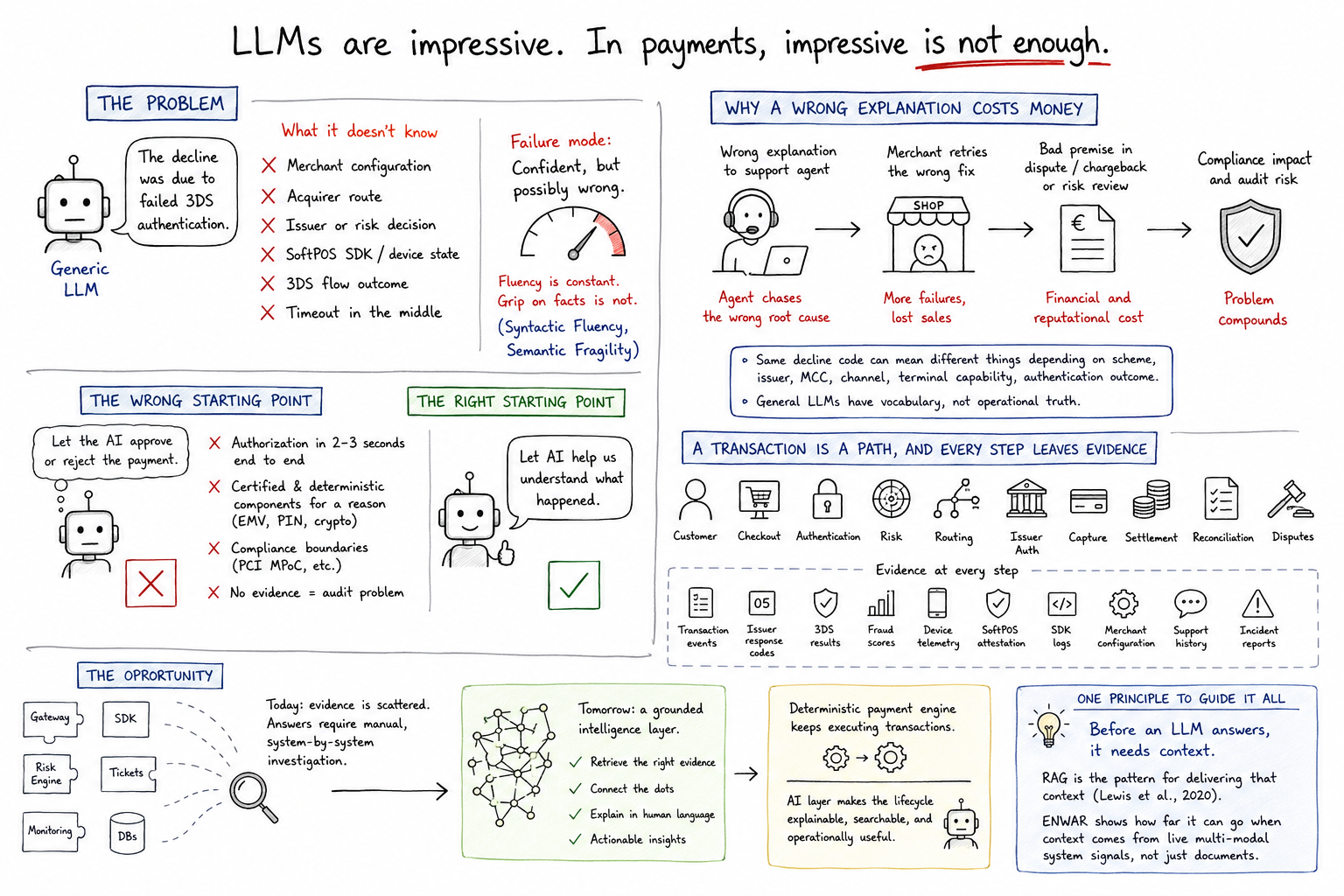
Why Payments Need Grounded AI, Not Just LLMs
This is part 1 of a series on building grounded AI for payment systems. This post sets up the problem. Part 2 covers the retrieval pattern, and part 3 covers the practical use …
This is part 1 of a series on building grounded AI for payment systems. This post sets up the problem. Part 2 covers the retrieval pattern, and part 3 covers the practical use …
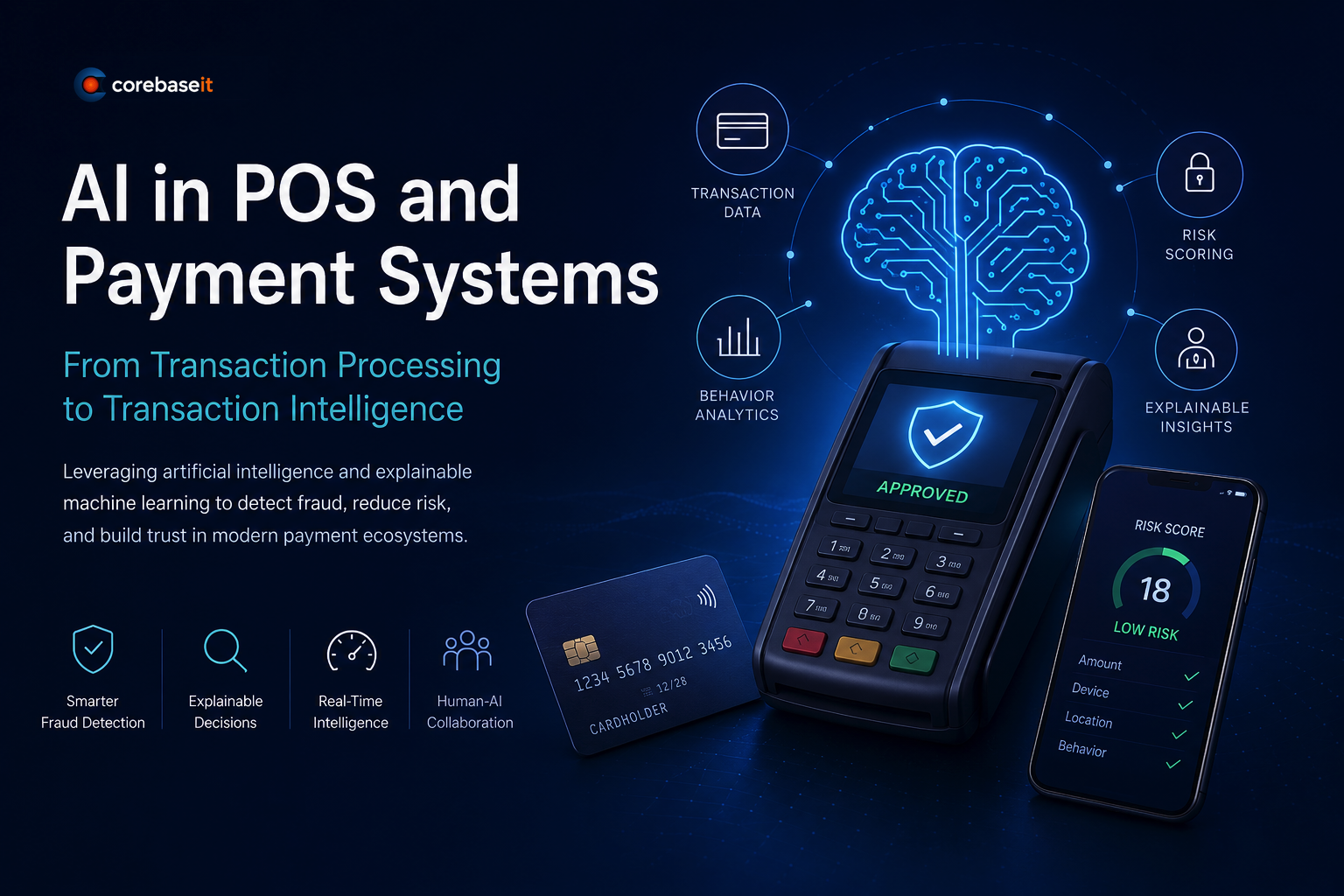
This post looks at where machine learning actually fits in a payment system: not inside the authorization path that EMV, tokenization, and the networks already own, but in the risk …
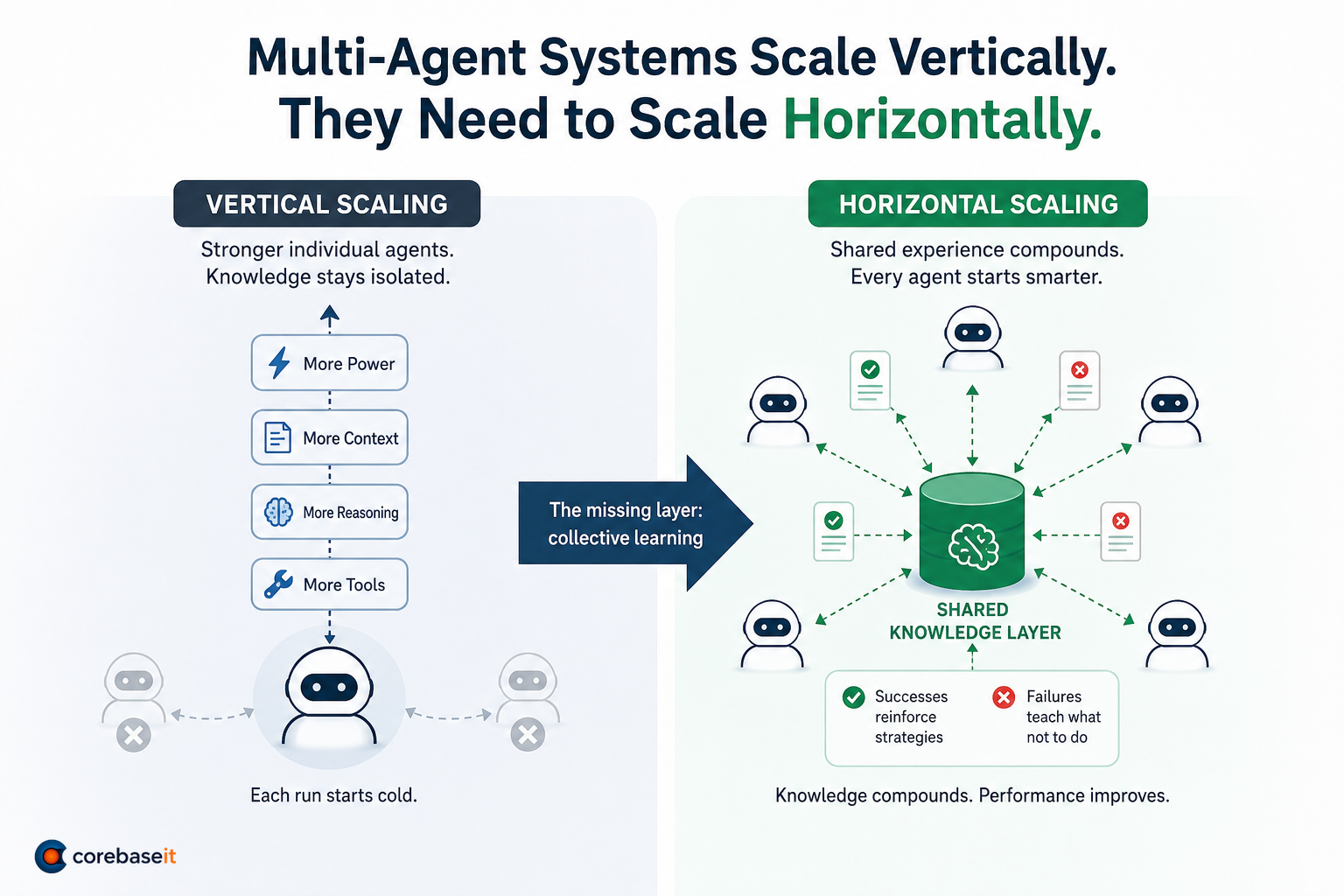
This post continues the ideas explored in Part I: Super Agents and Multi-Agent Communication and Part II: Swarm Intelligence. Those posts covered how agents coordinate within a …
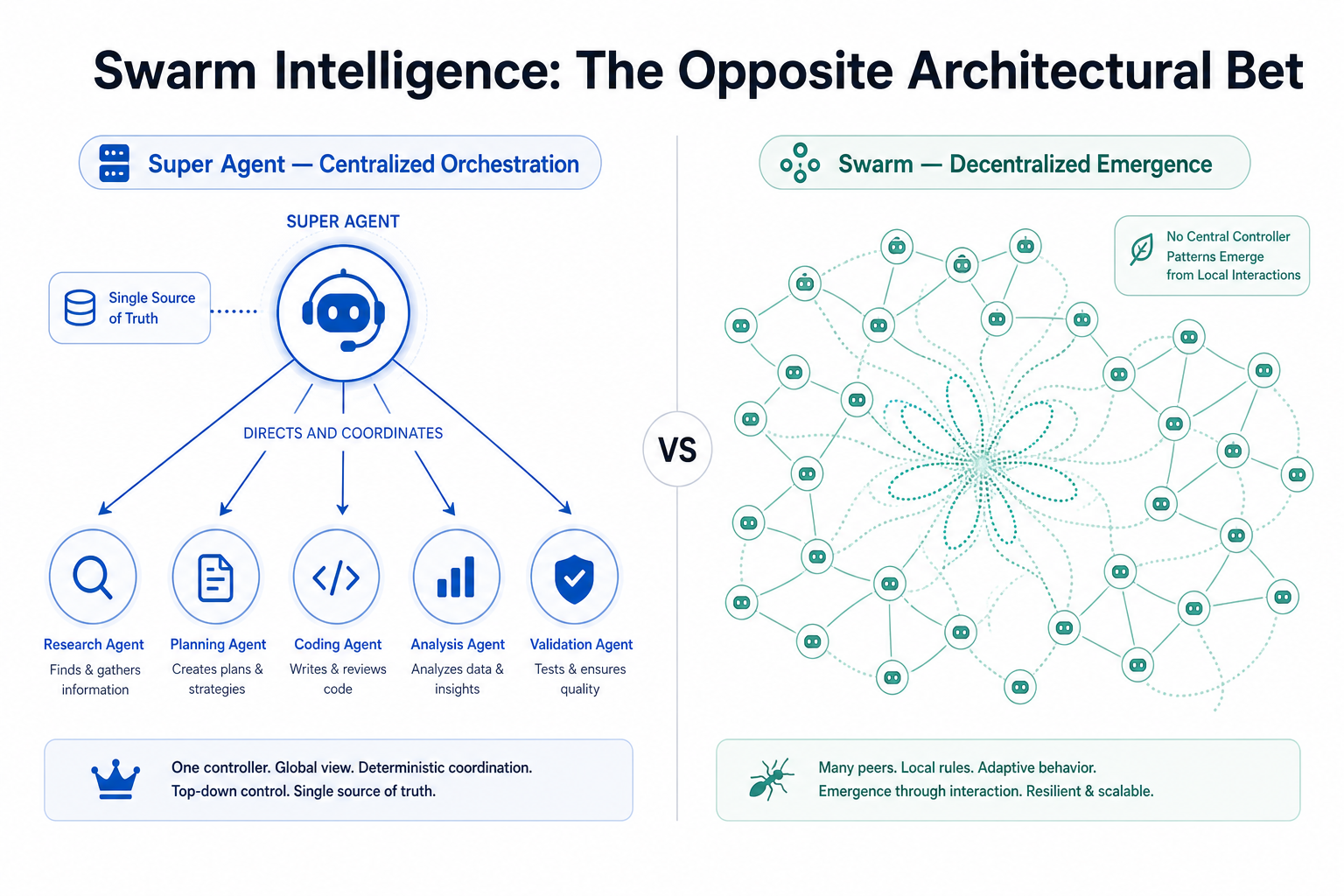
This is Part II of a two-part series on multi-agent AI architecture. Part I covered the super agent pattern: centralized orchestration, structured communication, and a single …
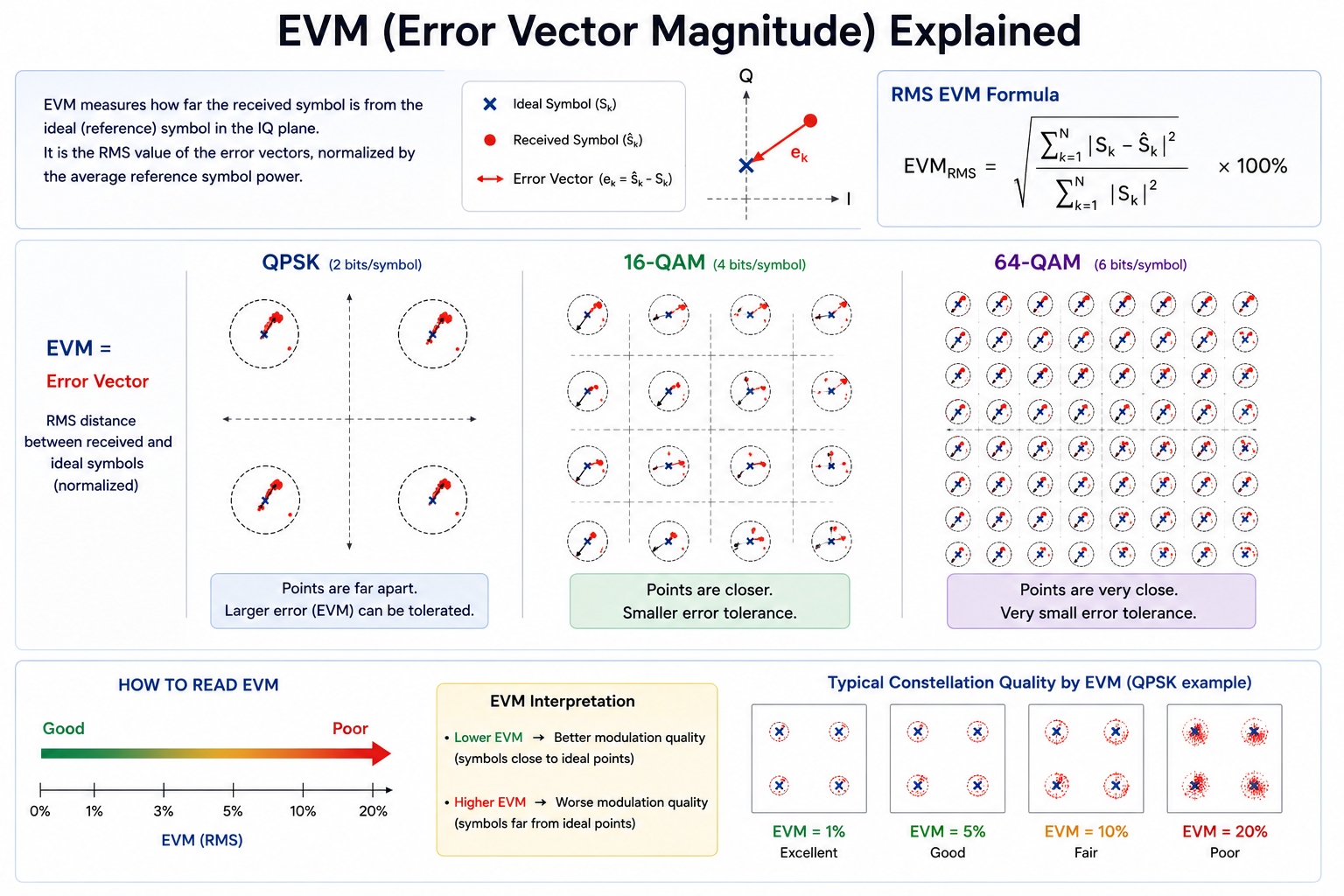
A pattern I keep seeing on the bench goes like this. A prototype modem shows a clean spectrum, the signal sits well above the thermal noise floor, and the link budget says there is …
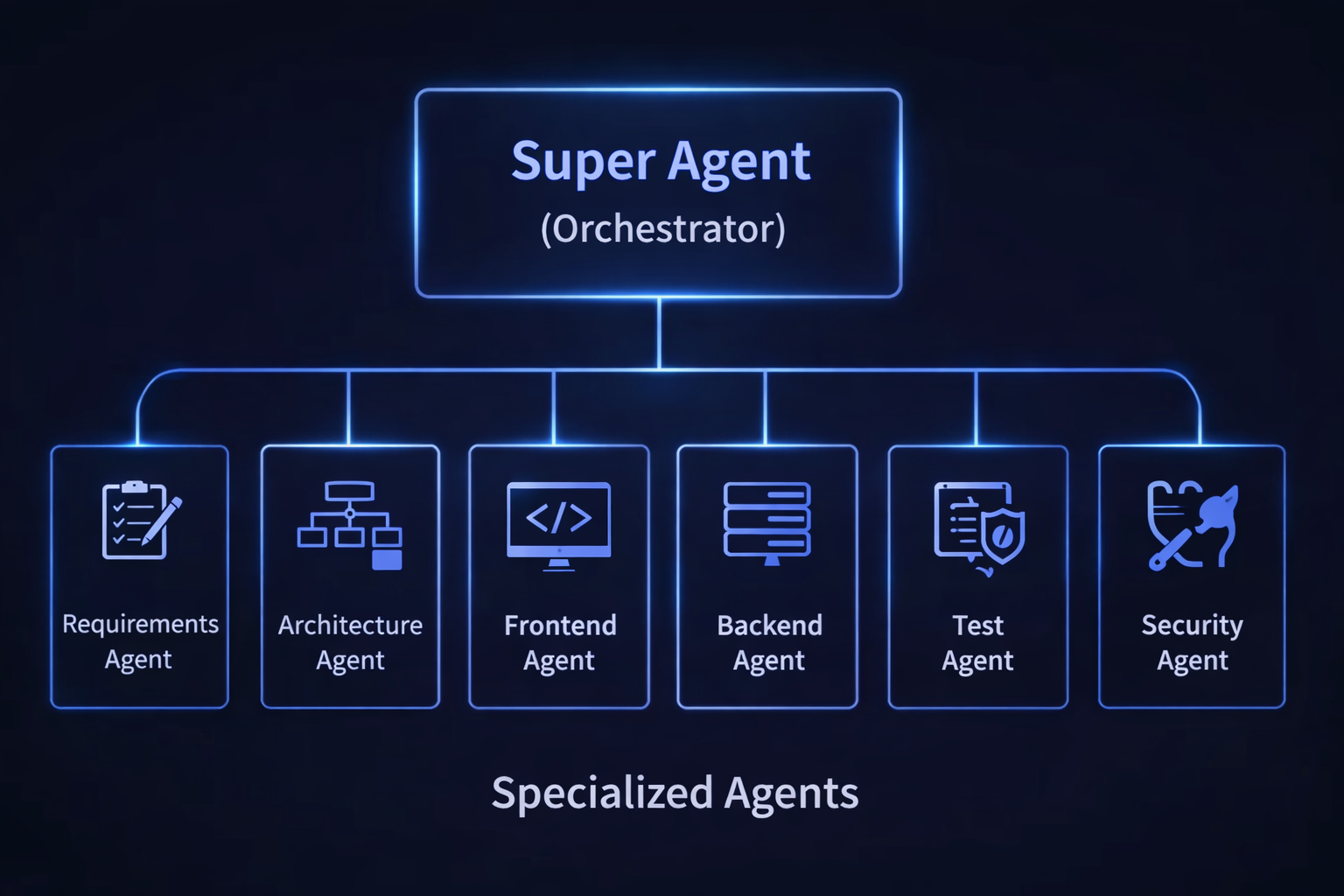
This is Part I of a two-part series on multi-agent AI architecture. This post covers centralized orchestration. Part II explores the opposite approach: swarm intelligence. …
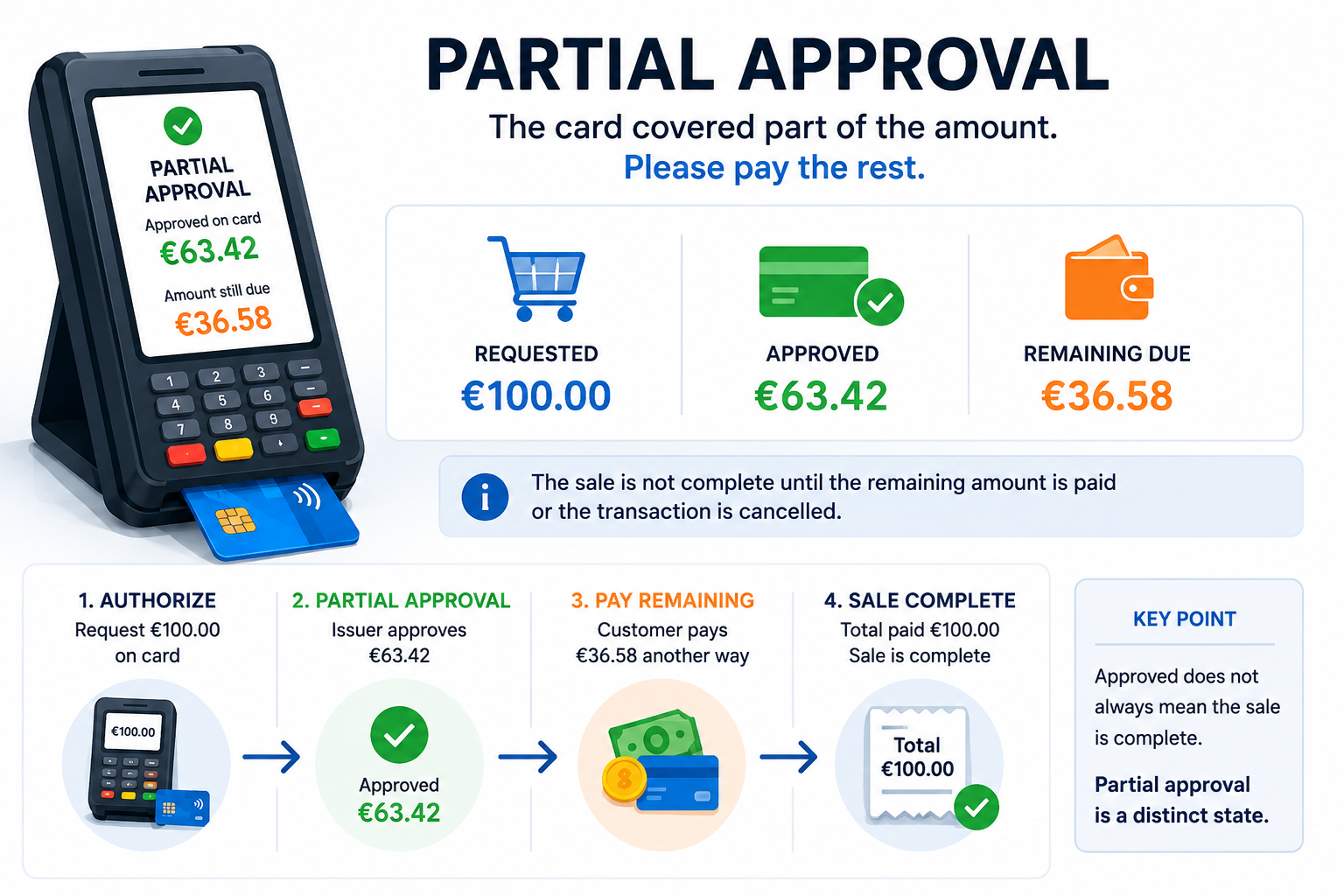
A partial approval is not a decline and not a completed sale. ISO 8583 response codes and amount fields must be read together — and the terminal must not show a green APPROVED …
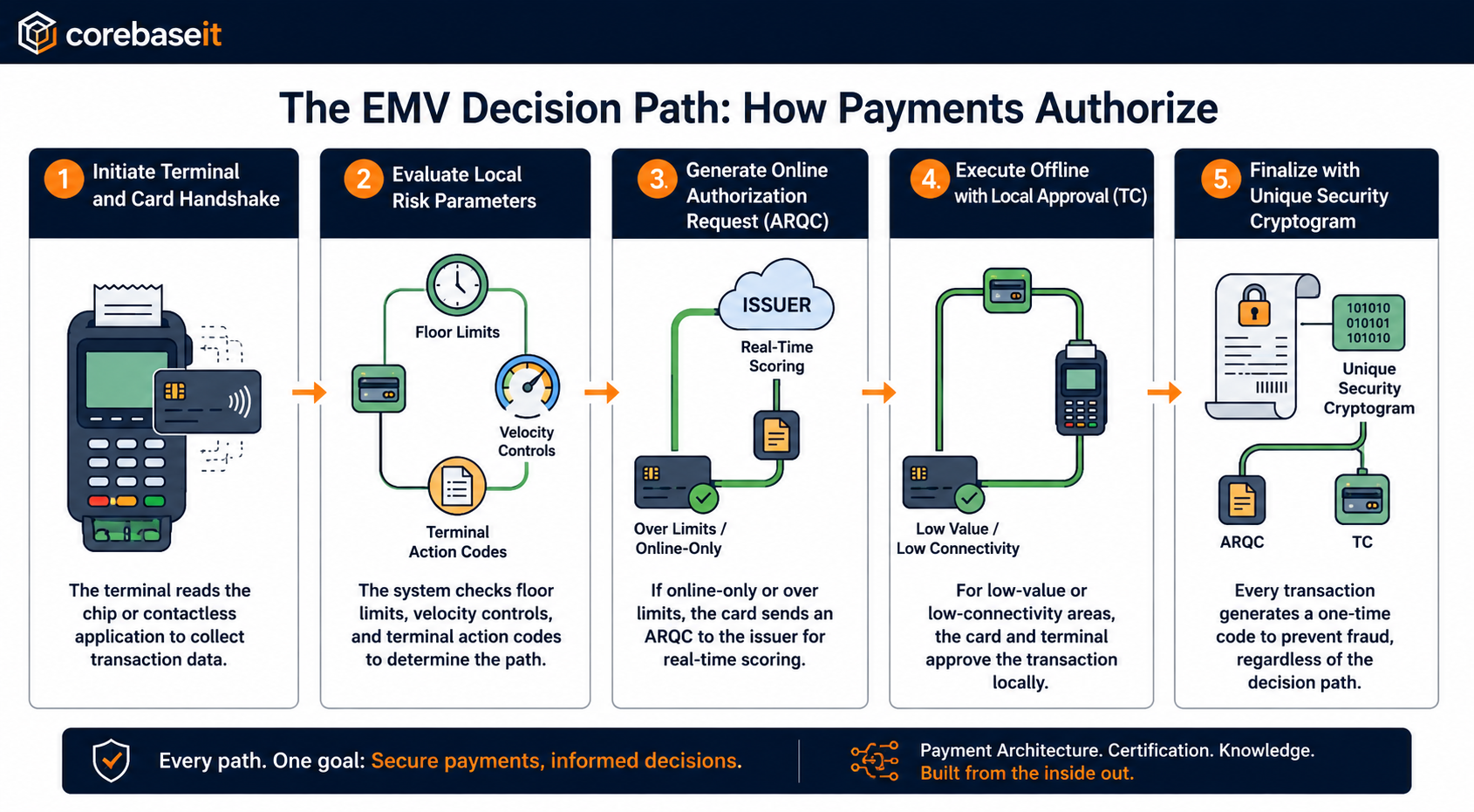
Online vs Offline EMV Transactions: Why Offline Still Matters In EMV payments, “online” and “offline” do not mean secure and insecure. They describe where the transaction decision …
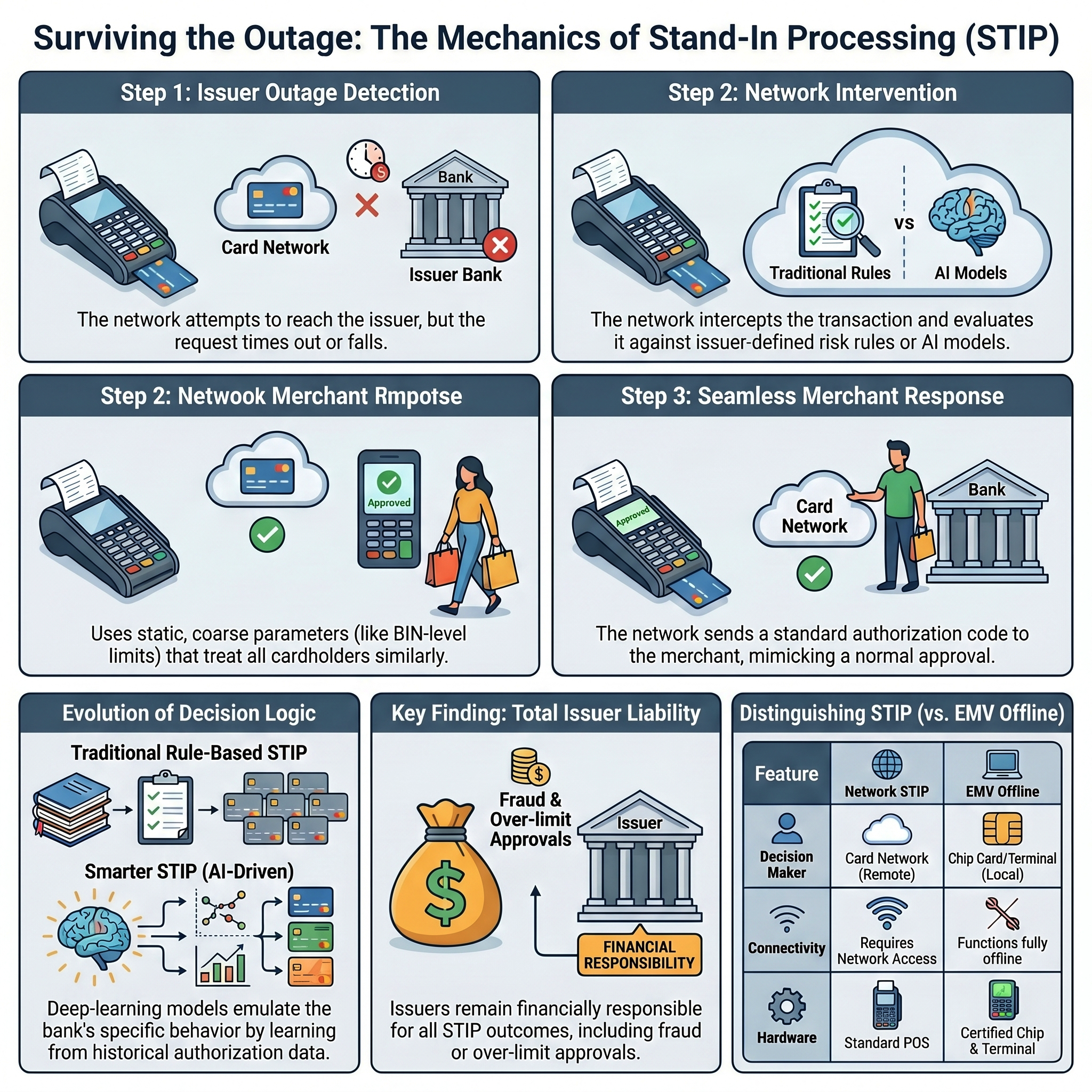
When an issuer or its processor drops offline, the POS does not always get a clean decline. The card scheme may stand in and approve or decline on the issuer’s behalf. The …

In a few short years, Large Language Models (LLMs) have moved from research labs into the core of how we work. They are no longer experimental novelties; they shape how we search, …