10 min read
What Makes a Payment Terminal Secure: SmartPOS vs SoftPOS
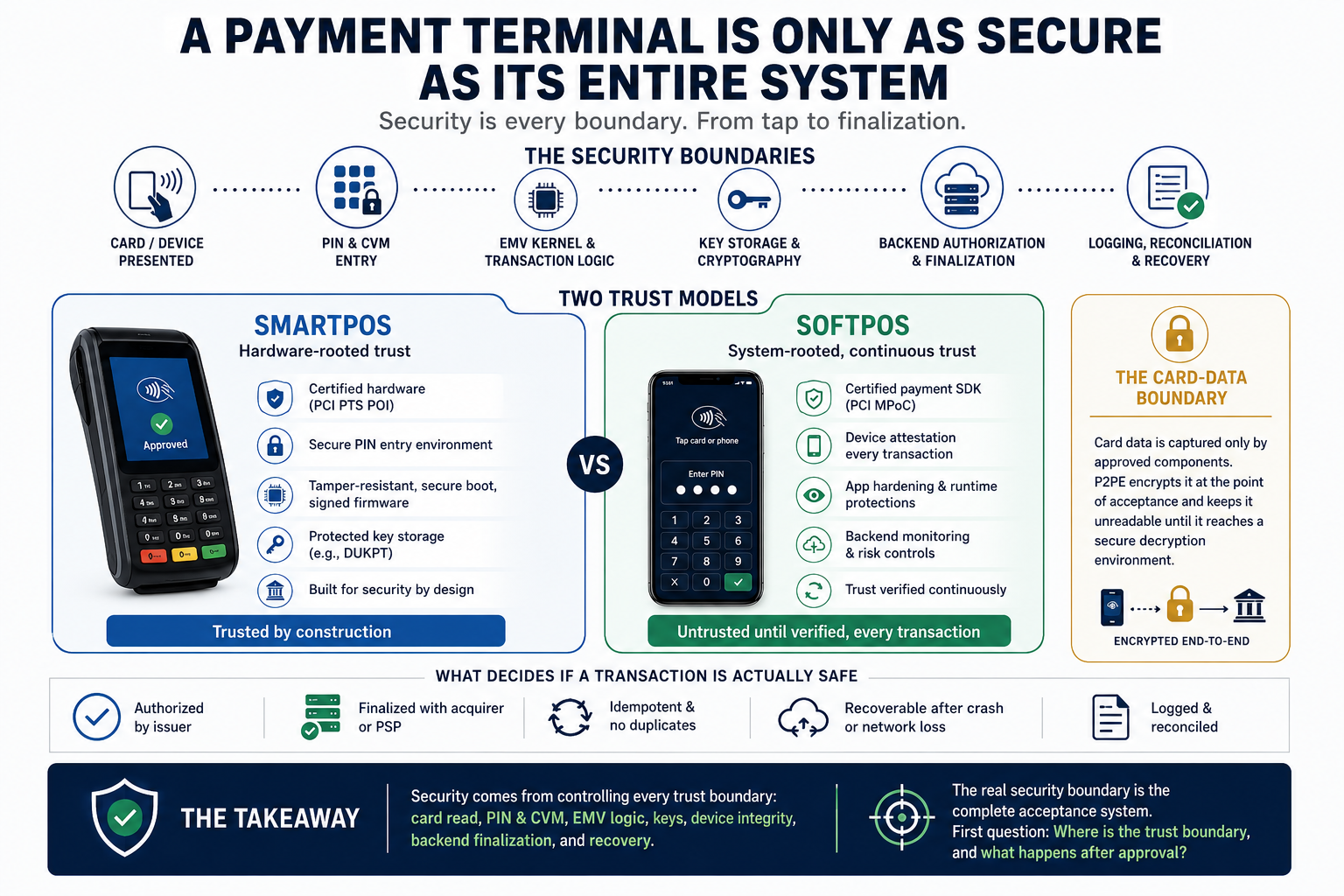
In the POS systems I have worked on, “is this terminal secure?” almost never has a hardware-only answer. The card read is one boundary. The PIN entry is another. So are …
Design system engineering · POS · Payments · Security
I’m Vincent Bevia. I work in payments at MultiSafepay (part of Ant Group), and I’ve spent years on design system engineering for POS, payments, and security — architecture, EMV, cryptography, and the infrastructure behind card-present and digital acceptance. I’m the author of Point-of-Sale Systems Architecture and The Obsolescence Paradox.
This site is where I write about payment platforms as systems: channels, orchestration, HSM and tokenisation, acquiring rails, and the ops layer that makes settlement and audit trustworthy. Also AI in payments, and the EE / telecom foundations underneath.
Less corporate, more personal. Opinions, reflections, and the kind of things I’d talk about over coffee.
If you’re into payment platforms, POS, or security architecture — or just curious how the pieces fit — welcome.
Latest field notes
In the POS systems I have worked on, “is this terminal secure?” almost never has a hardware-only answer. The card read is one boundary. The PIN entry is another. So are …
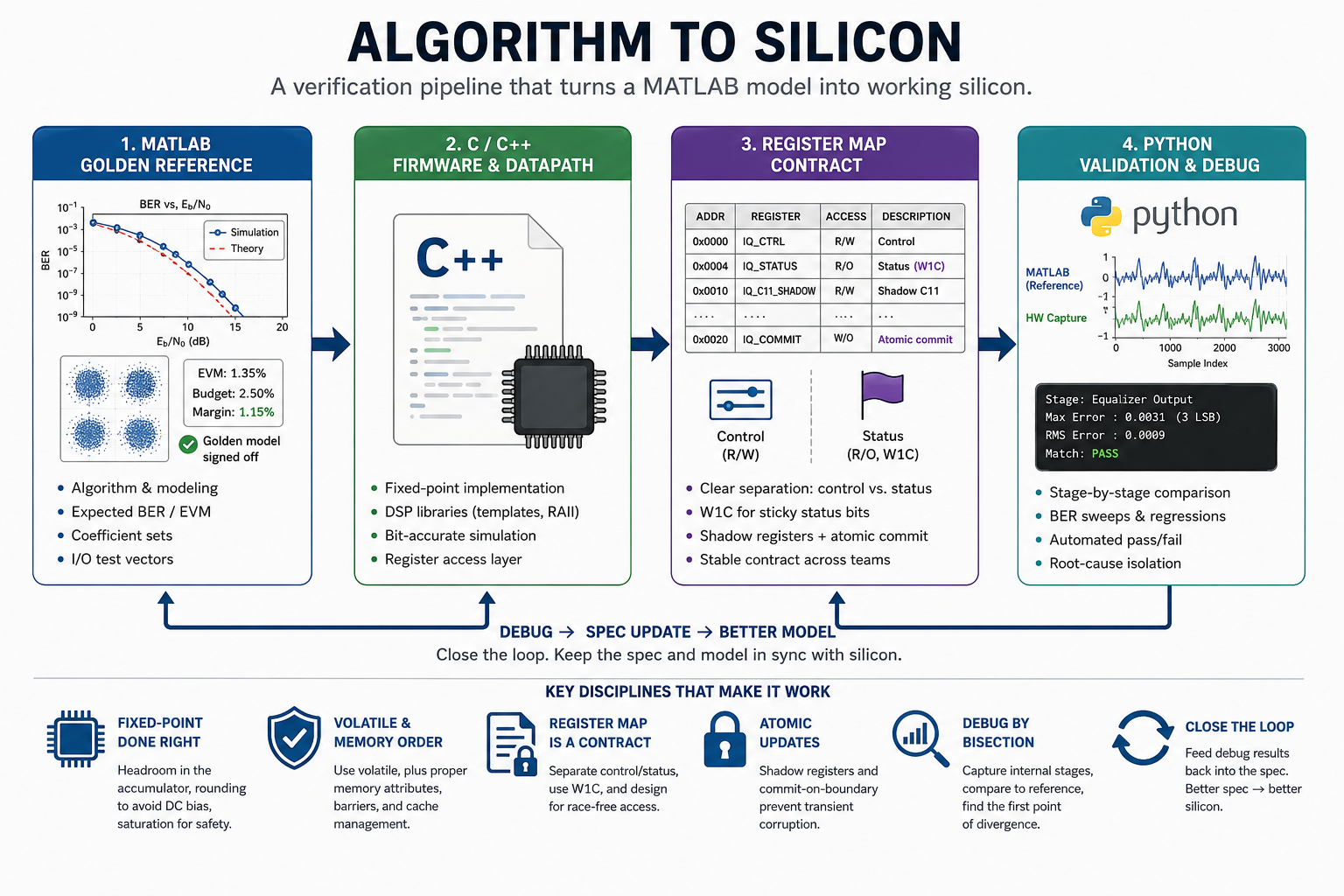
The PHY algorithm passes every simulation in MATLAB. The Bit Error Rate (BER) curve hits the theoretical bound. The Error Vector Magnitude (EVM) budget has margin. The golden model …
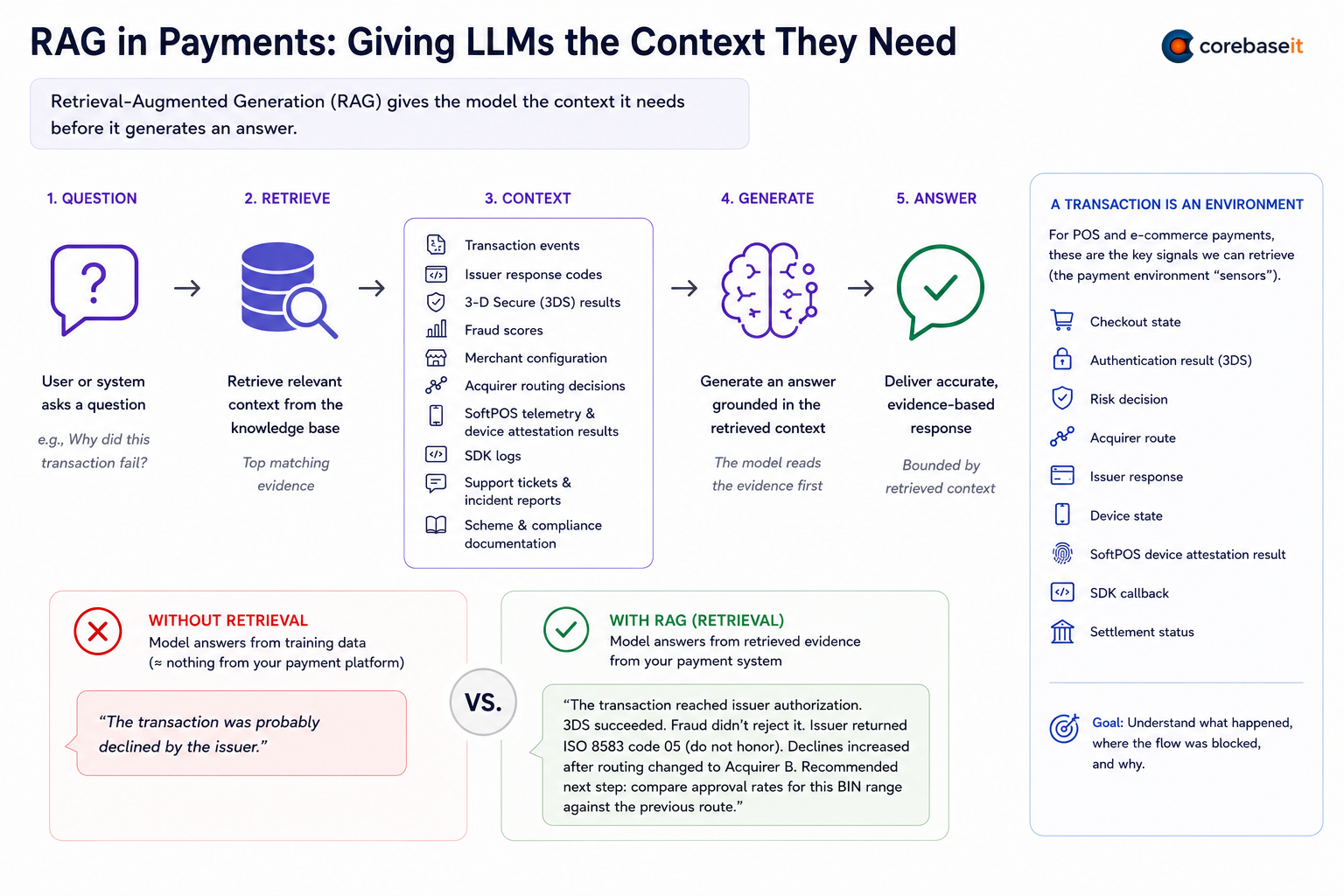
This is part 2 of a series on building grounded AI for payment systems. Part 1 made the case that payments need grounded AI, not a generic LLM guessing from training data. This …
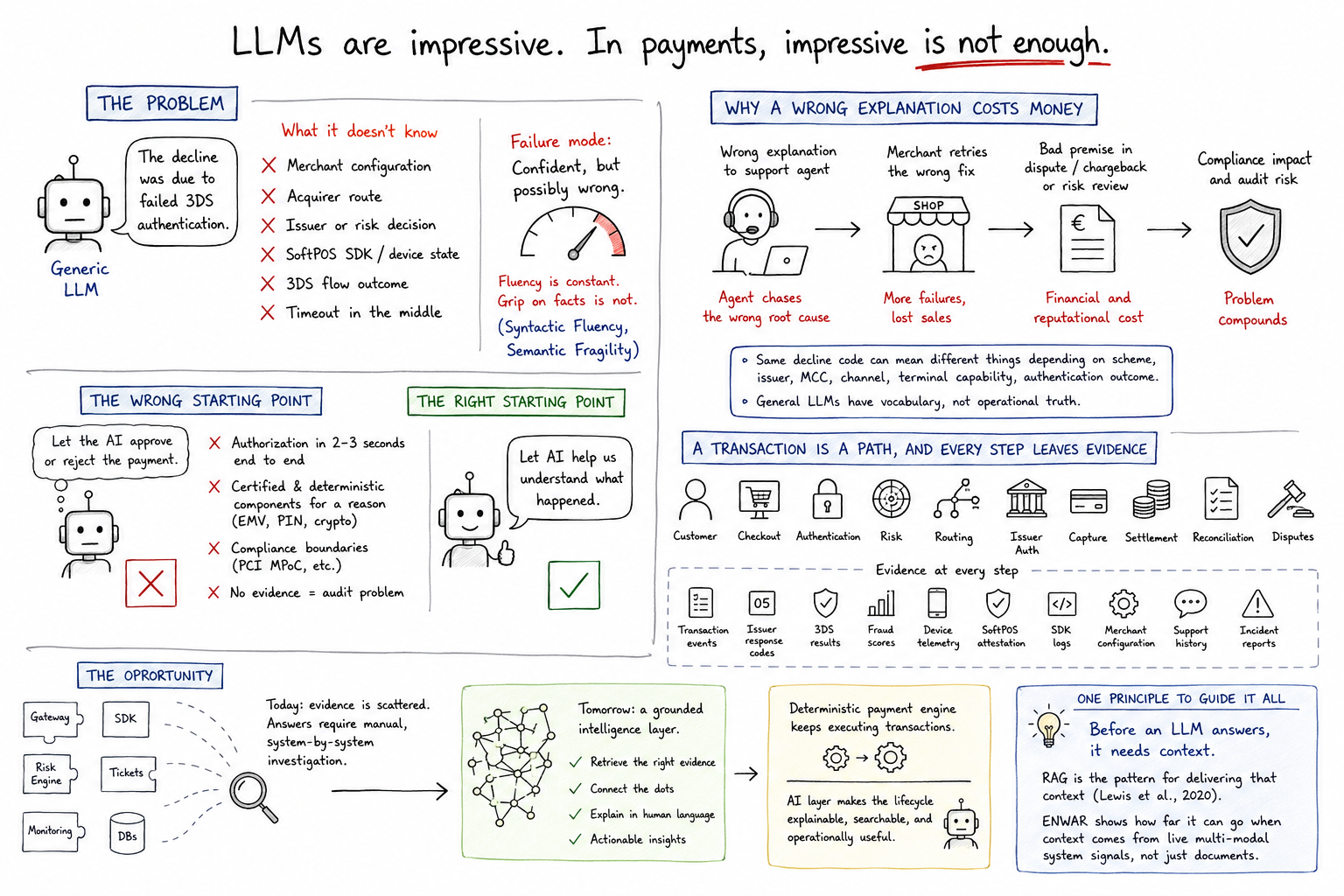
This is part 1 of a series on building grounded AI for payment systems. This post sets up the problem. Part 2 covers the retrieval pattern, and part 3 covers the practical use …
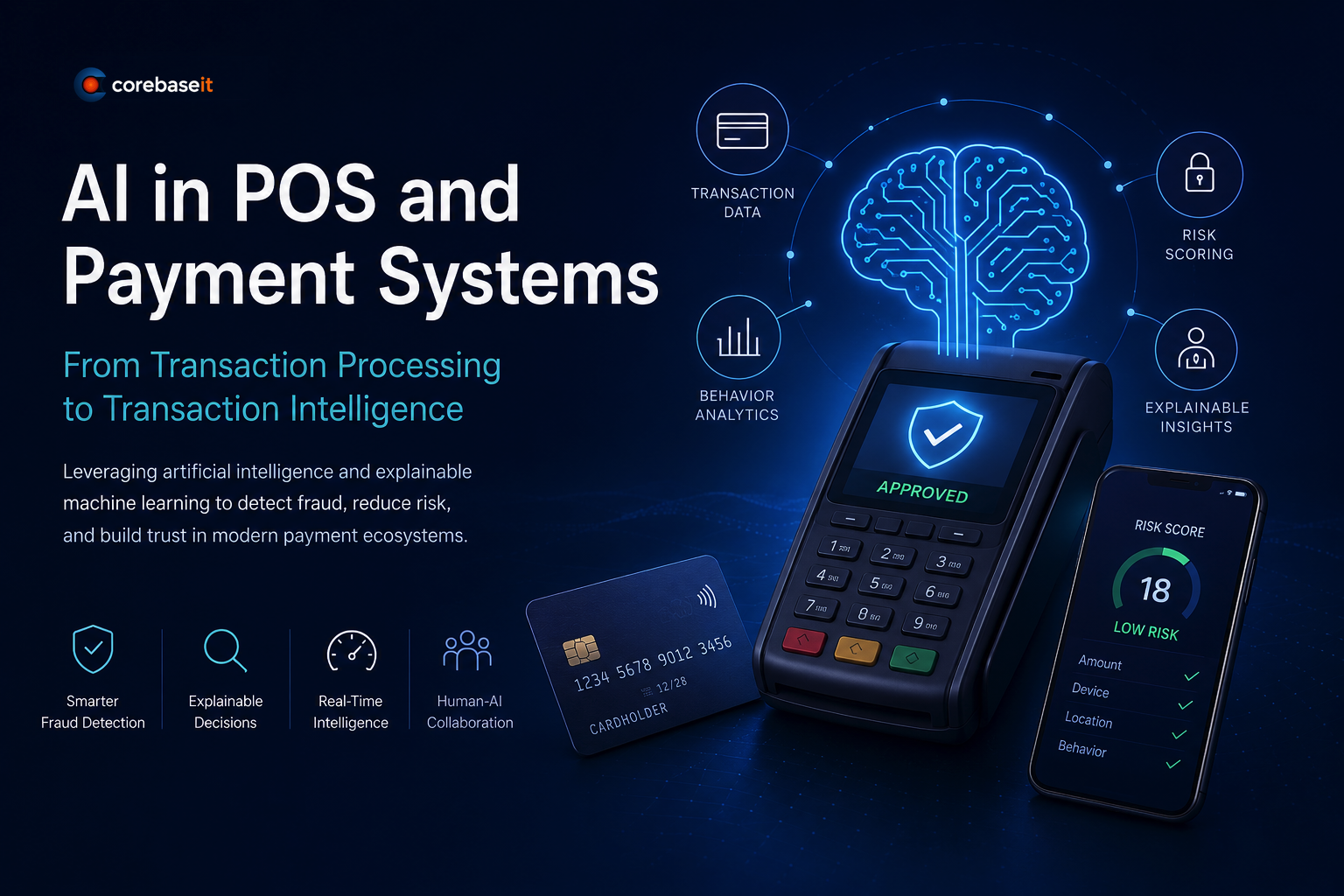
This post looks at where machine learning actually fits in a payment system: not inside the authorization path that EMV, tokenization, and the networks already own, but in the risk …
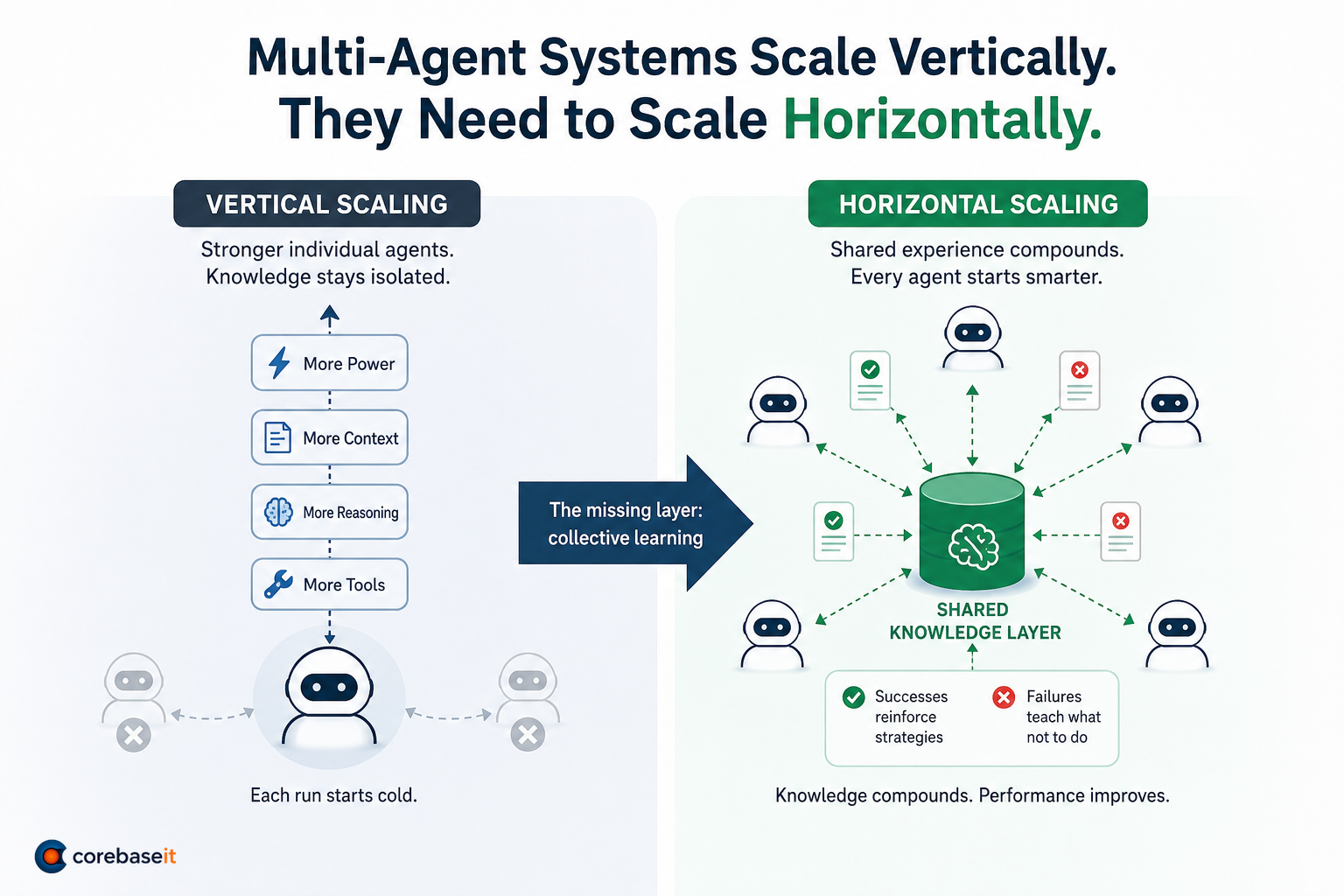
This post continues the ideas explored in Part I: Super Agents and Multi-Agent Communication and Part II: Swarm Intelligence. Those posts covered how agents coordinate within a …
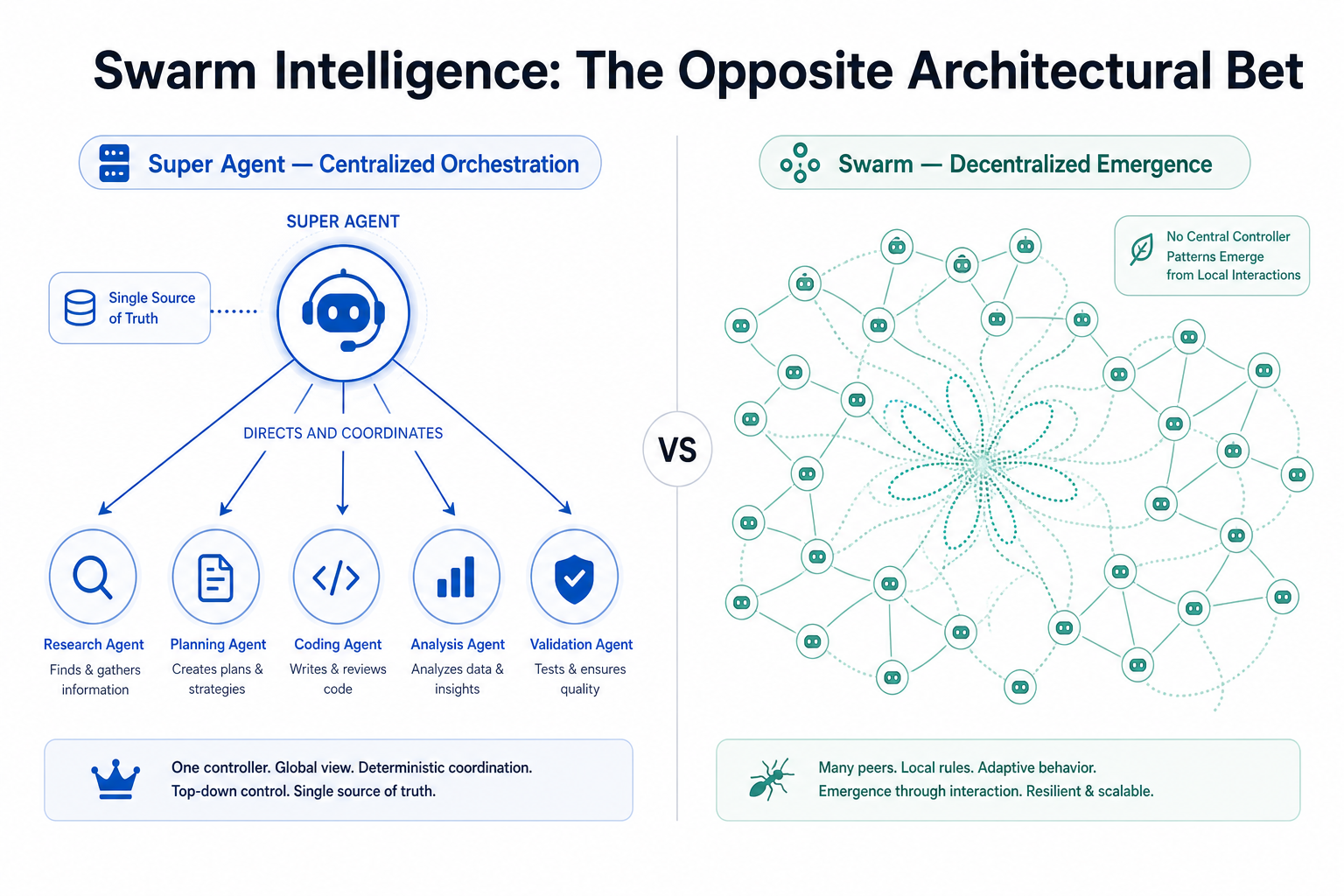
This is Part II of a two-part series on multi-agent AI architecture. Part I covered the super agent pattern: centralized orchestration, structured communication, and a single …
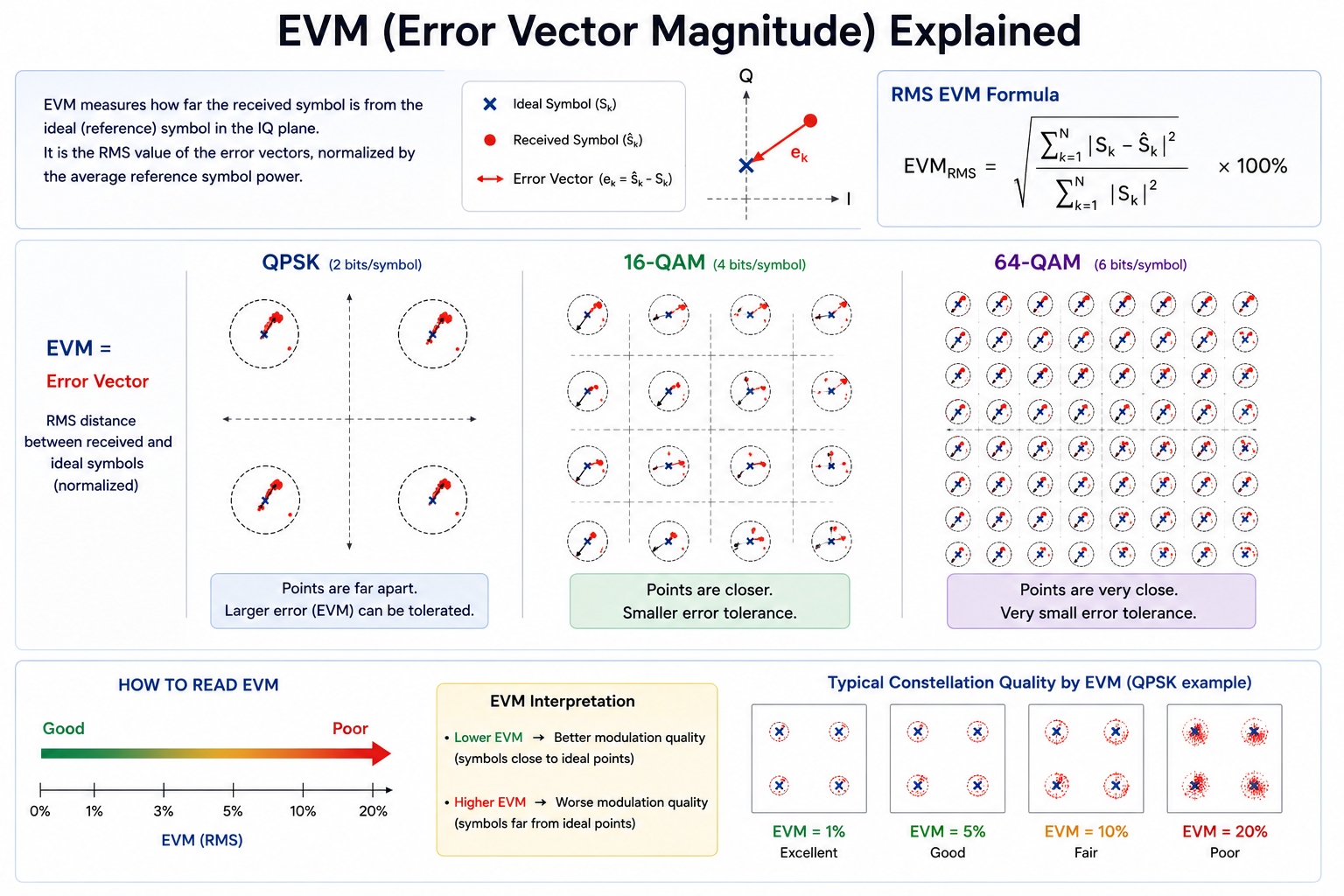
A pattern I keep seeing on the bench goes like this. A prototype modem shows a clean spectrum, the signal sits well above the thermal noise floor, and the link budget says there is …
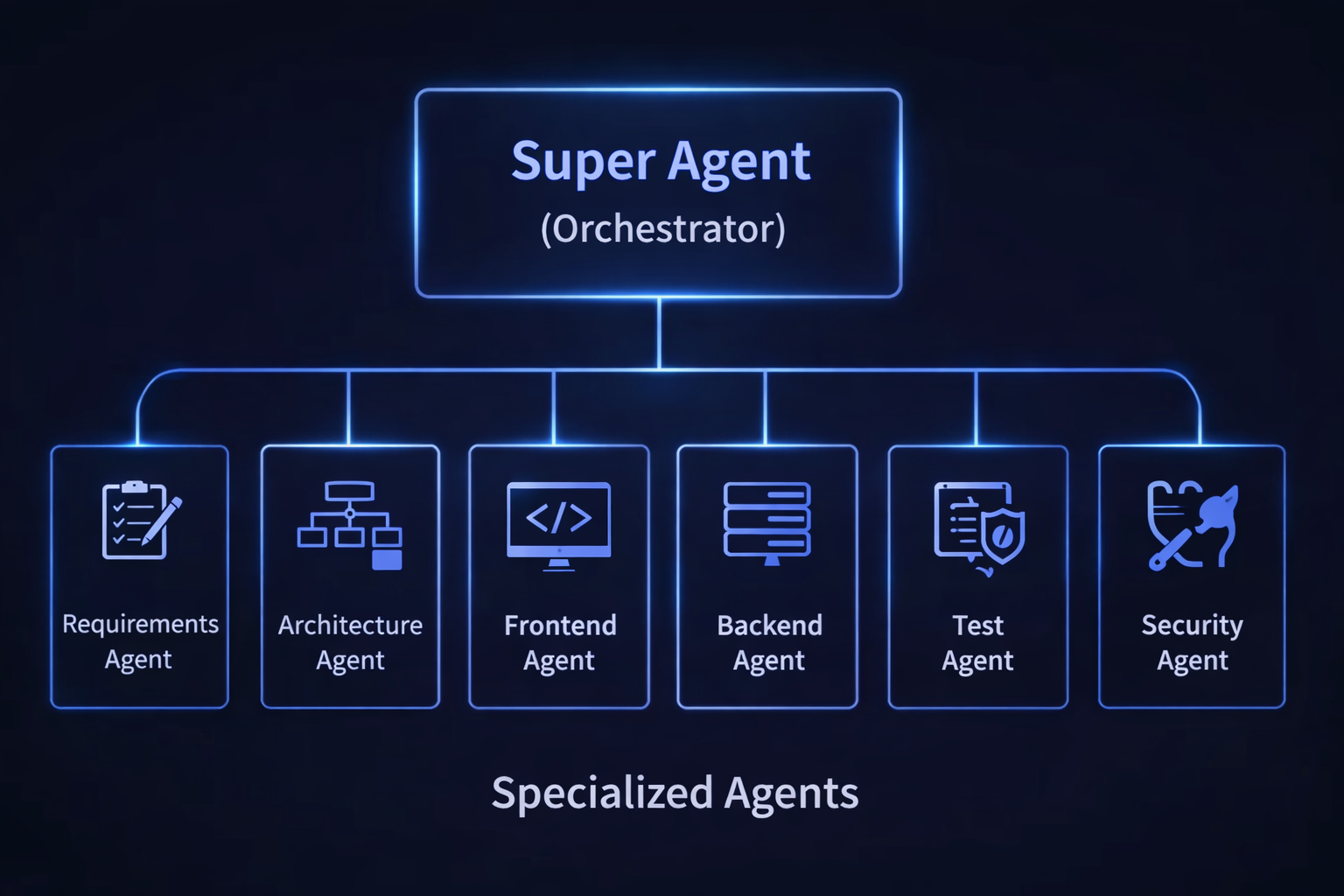
This is Part I of a two-part series on multi-agent AI architecture. This post covers centralized orchestration. Part II explores the opposite approach: swarm intelligence. …
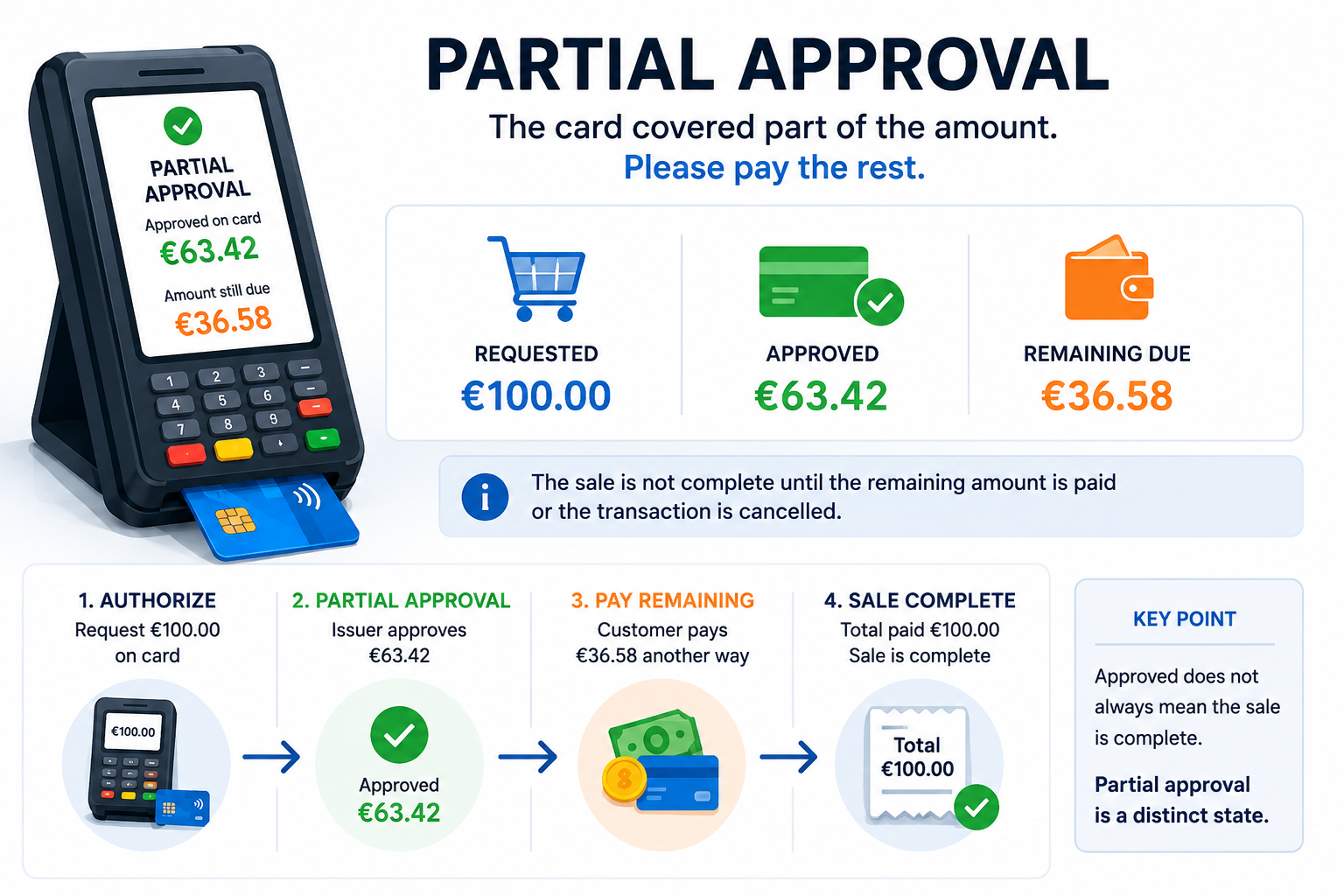
A partial approval is not a decline and not a completed sale. ISO 8583 response codes and amount fields must be read together — and the terminal must not show a green APPROVED …