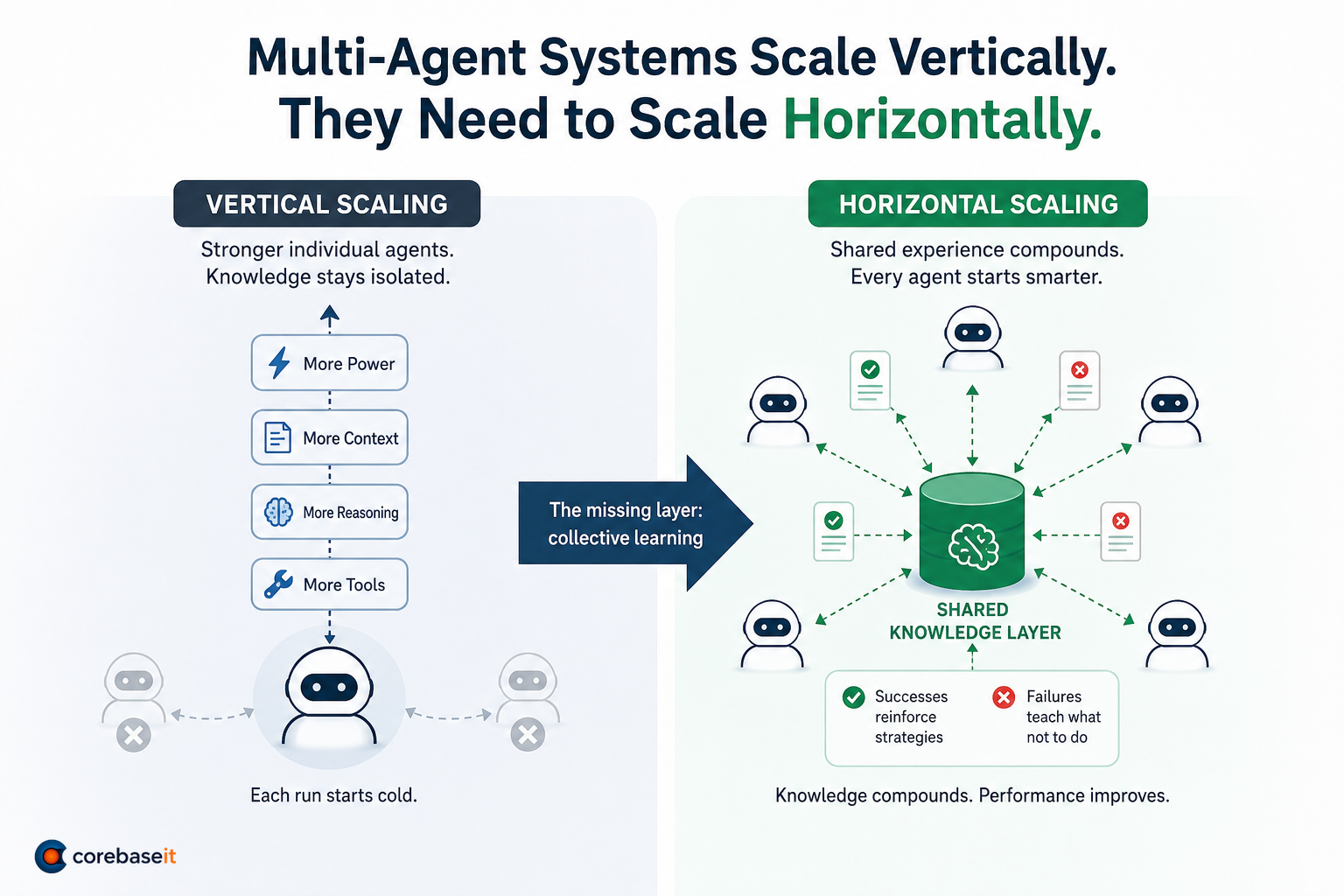
Multi-Agent Systems Scale Vertically. They Need to Scale Horizontally.
This post continues the ideas explored in Part I: Super Agents and Multi-Agent Communication and Part II: Swarm Intelligence. Those posts covered how agents coordinate within a …
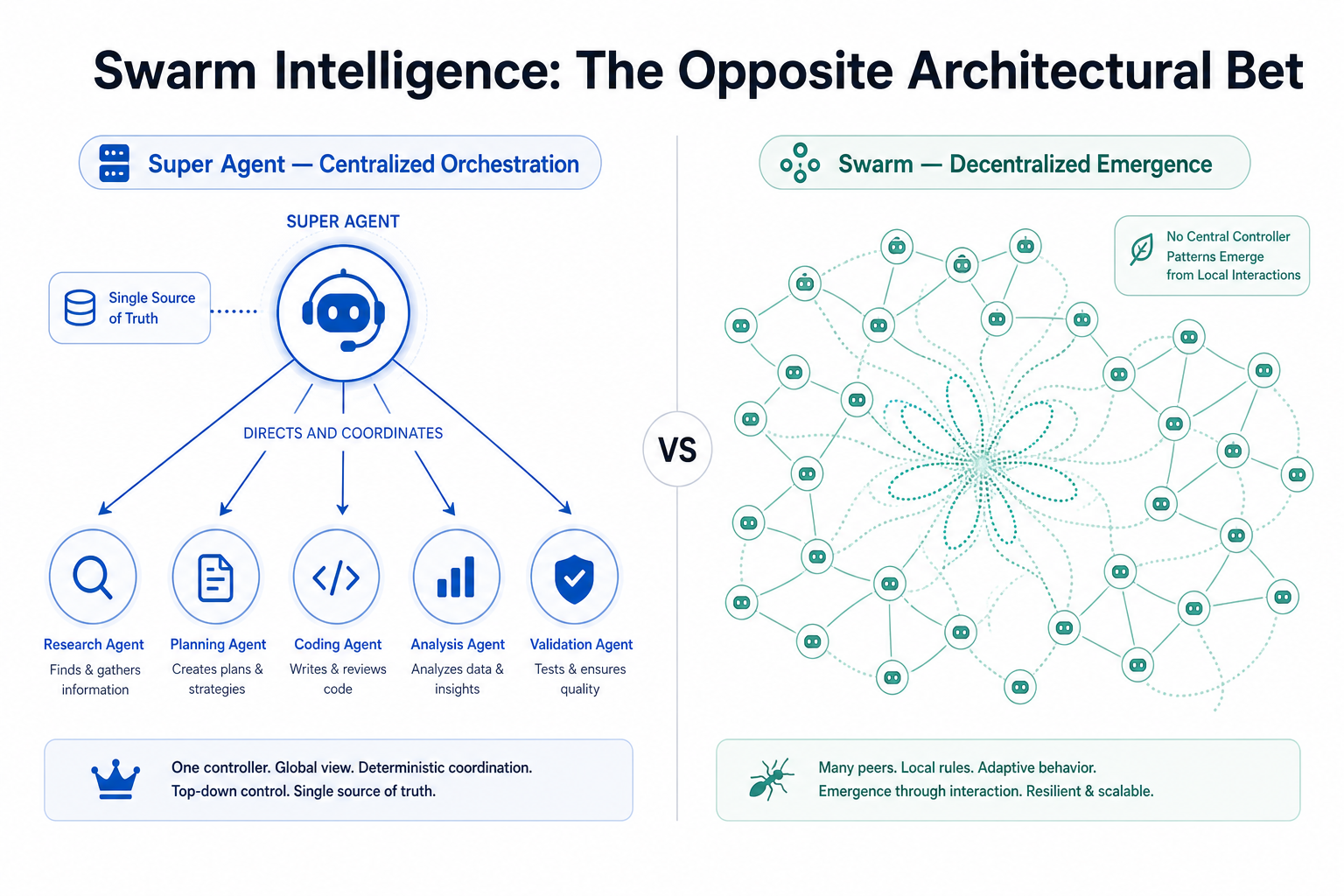
This is Part II of a two-part series on multi-agent AI architecture. Part I covered the super agent pattern: centralized orchestration, structured communication, and a single …
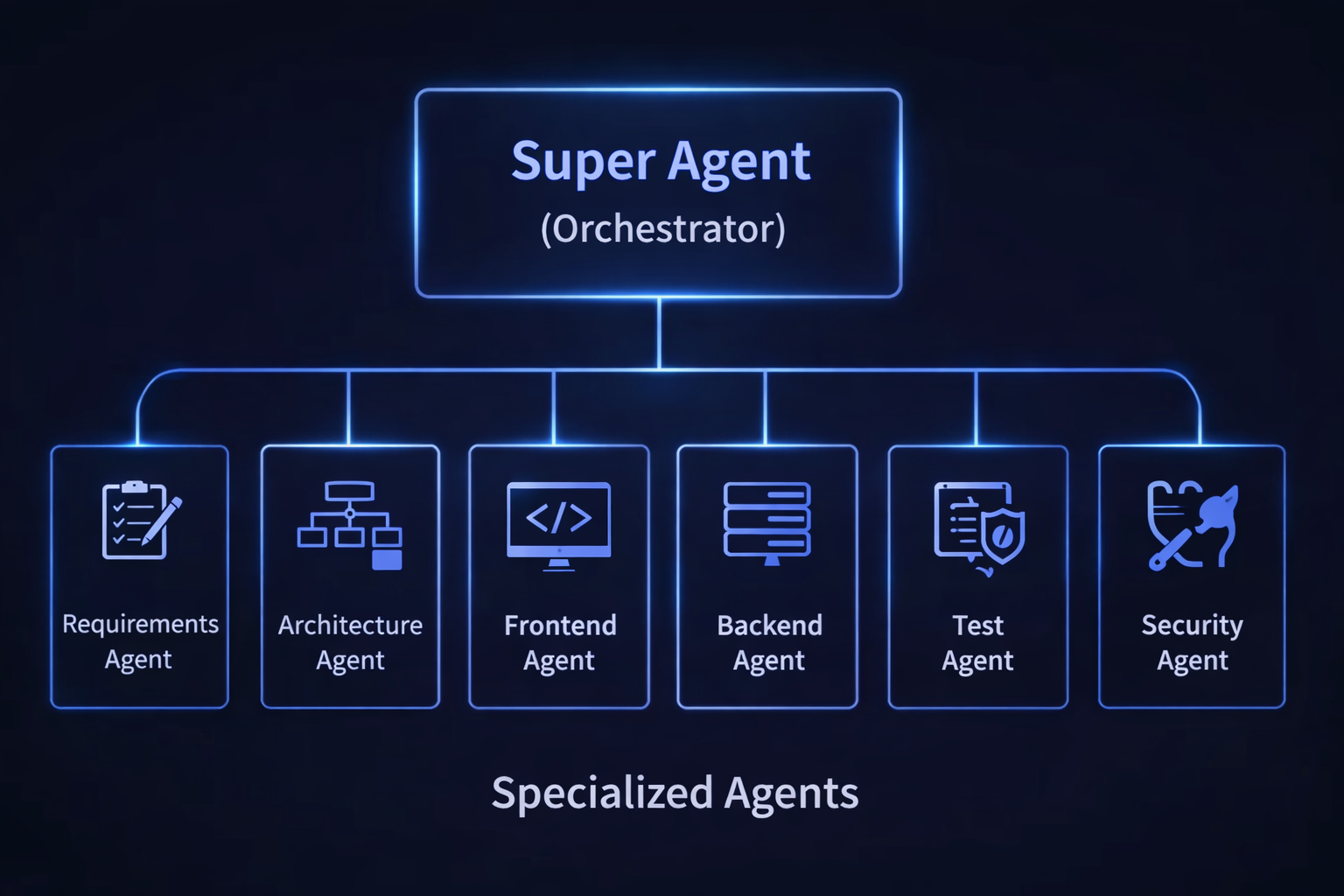
This is Part I of a two-part series on multi-agent AI architecture. This post covers centralized orchestration. Part II explores the opposite approach: swarm intelligence. …
In a few short years, Large Language Models (LLMs) have moved from research labs into the core of how we work. They are no longer experimental novelties; they shape how we search, …
Language models don't reason. Not in the way humans do.
After reading Wei et al.’s work on Chain-of-Thought, the Tree of Thoughts paper from Princeton, and several recent studies on test-time compute scaling, I wanted to organize …
There’s a quiet failure mode in AI-assisted engineering that most people don’t talk about: sycophancy. It’s the tendency of large language models to prioritize …
When we talk about AI in payments, the conversation often jumps to chatbots and support agents. But the real leverage — especially in regulated environments like SmartPOS and …