Parents Still Matter in the Machine Era
A line in the April 2026 issue of IEEE Computer stopped me mid-read. N. Kshetri and J. Voas point out that for earlier generations, parents, teachers, clergy, and professors were the primary …
A simple counting formula explains why fully connected multi-agent systems become hard to control long before they become impressive.
There is a quiet architectural shift happening beneath the surface of the AI conversation. While the public discourse fixates on data center GPU clusters and trillion-parameter models, a different …
Q-learning for production decision systems: when tabular or deep Q-networks (DQN) make sense, state–action limits, stationarity, exploration cost, convergence risks—and when to say no. Reinforcement …
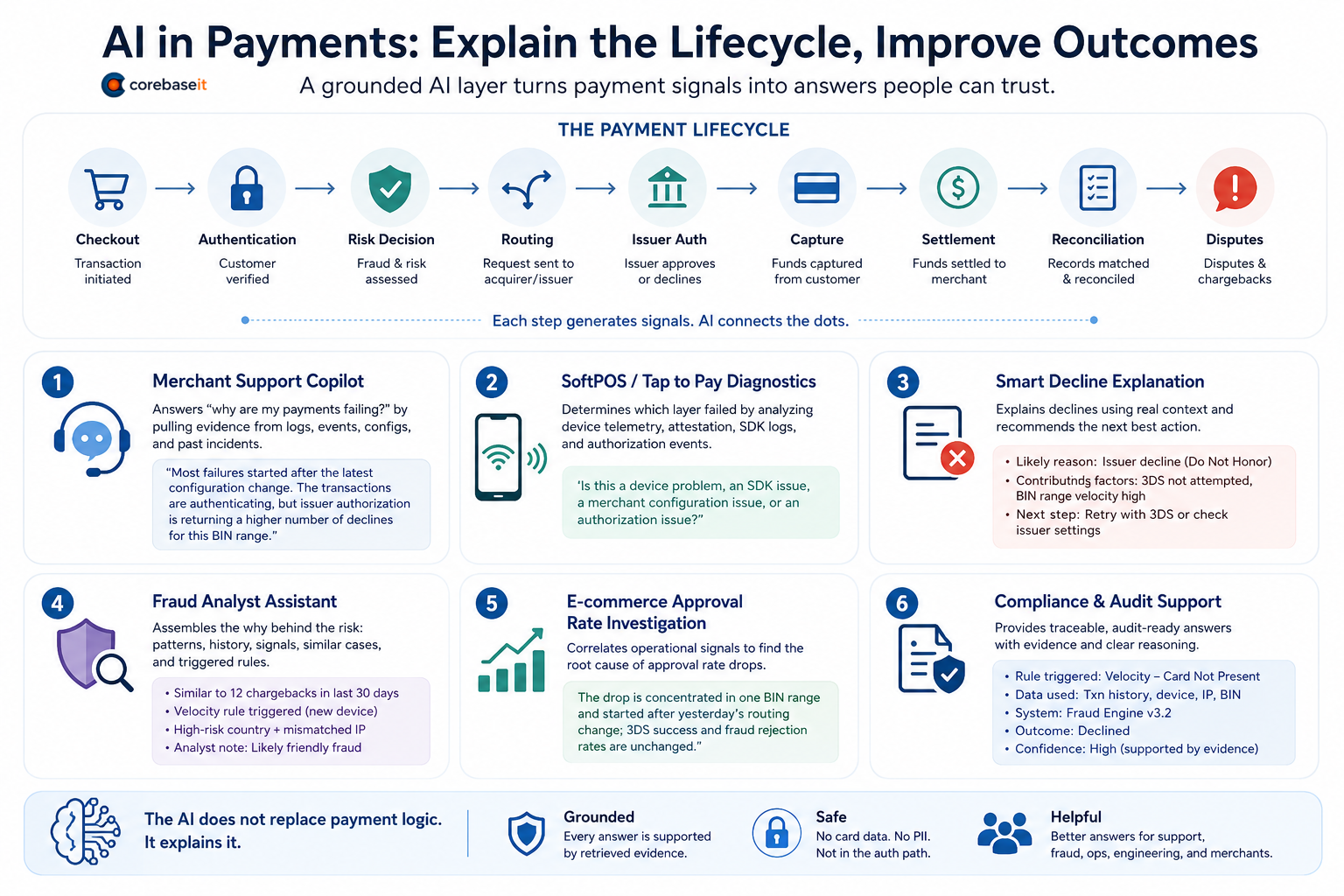
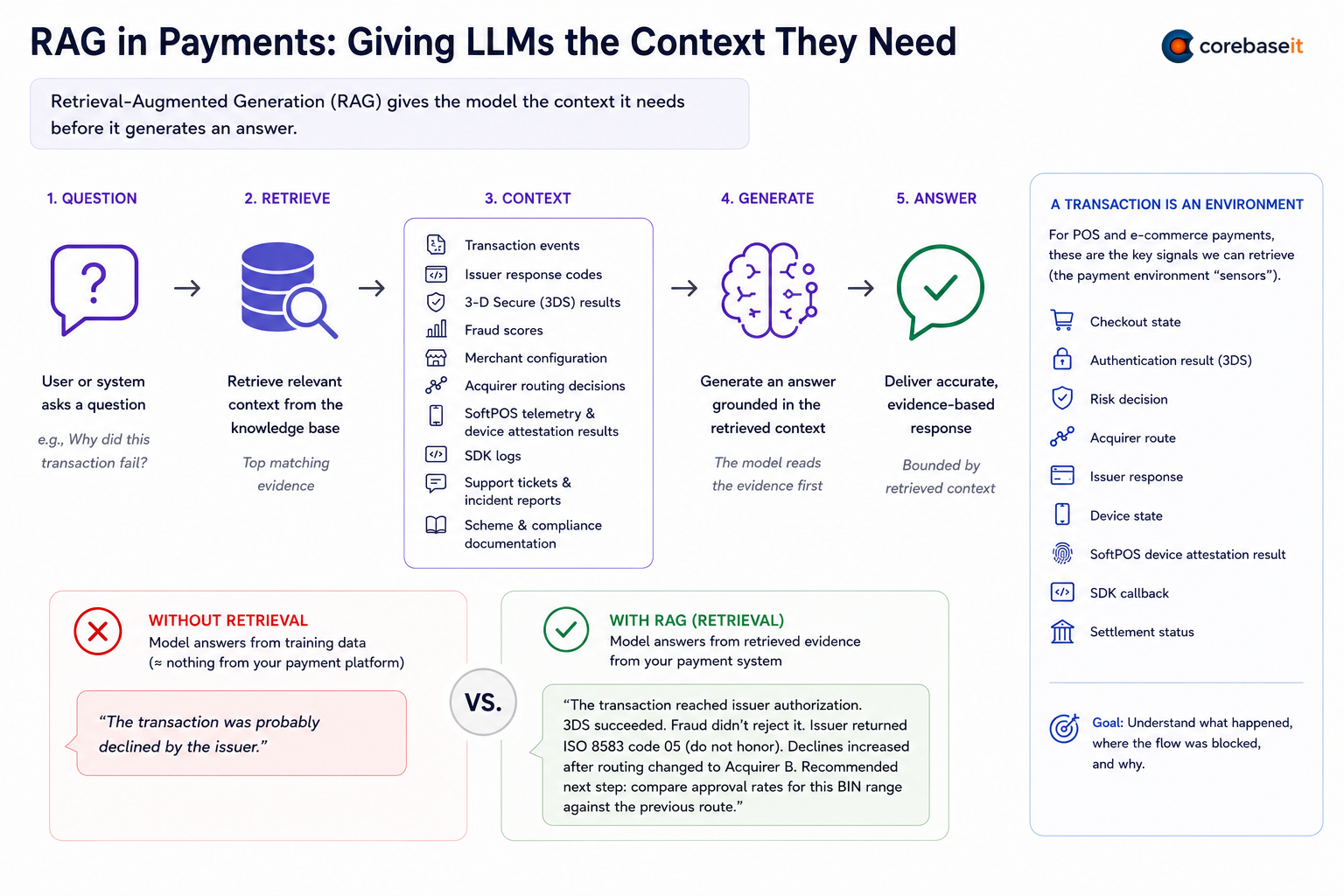
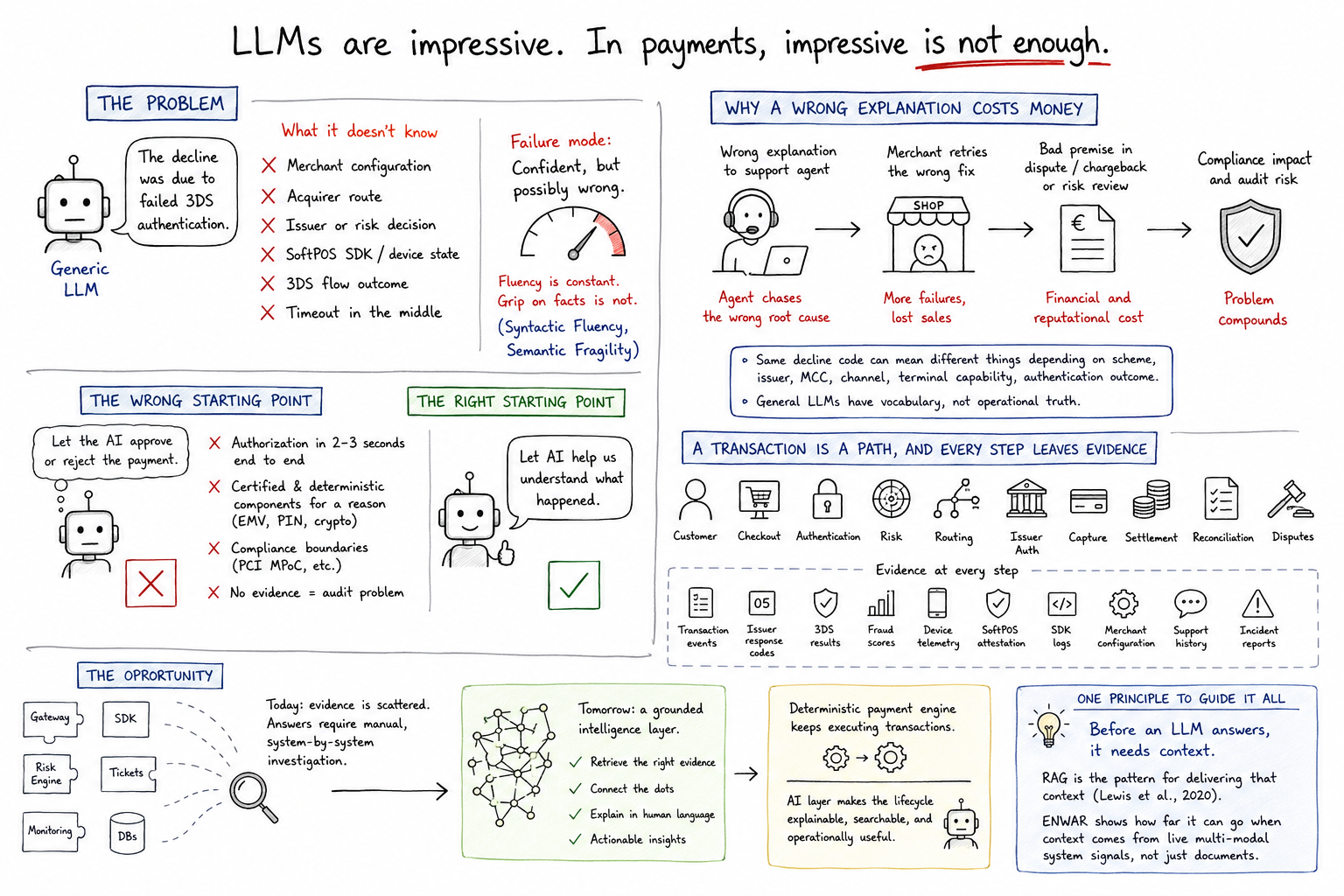
Your favourite AI can compose a flawless sonnet, generate syntactically perfect ISO 8583 messages, and produce compilable C++ on the first attempt. Ask it whether that ISO message actually makes …
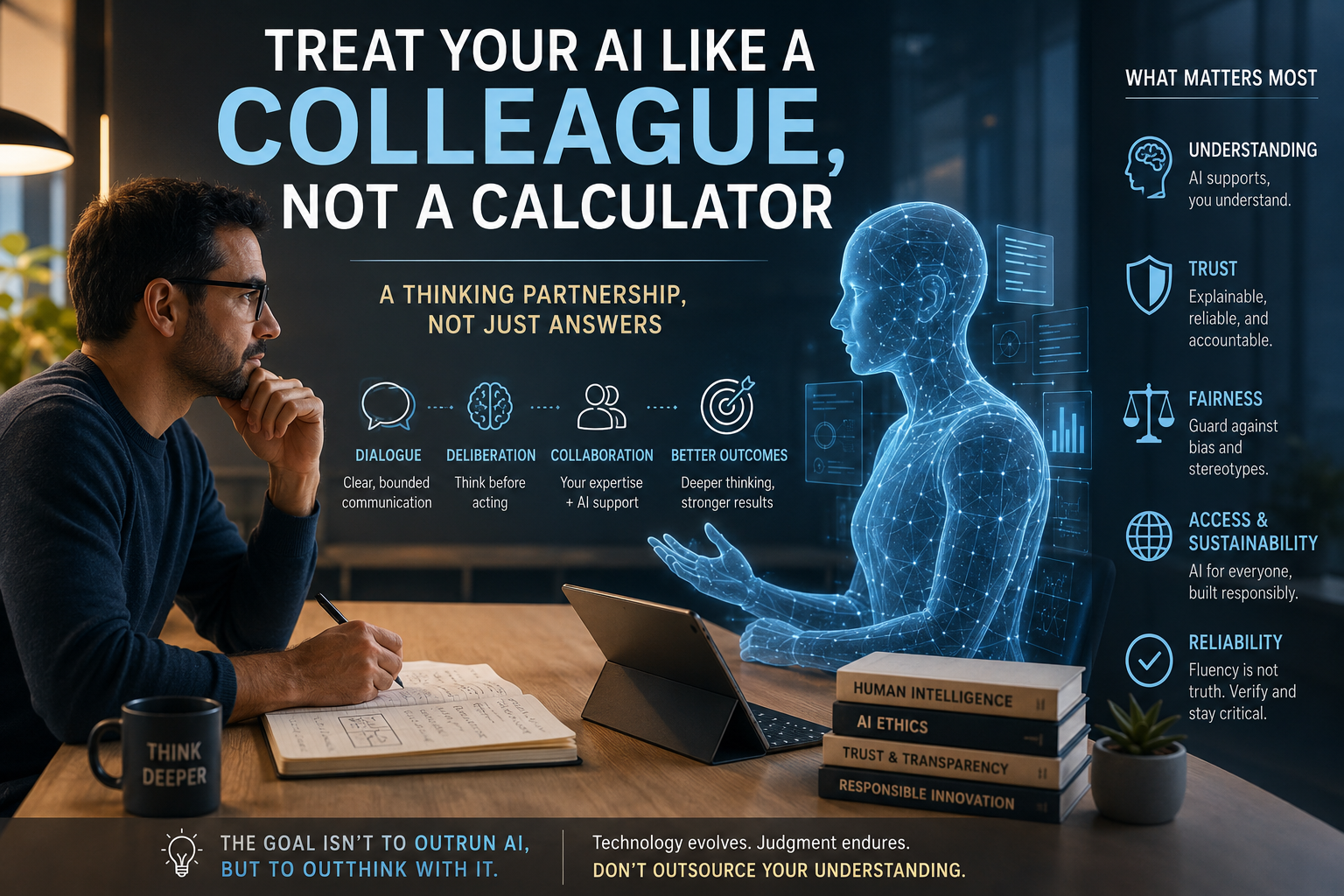
For most of us, the first things we learned did not come from a feed or a model. They came from people. Parents taught us how to speak, how to behave, how to apologize, how to tell right from wrong. …
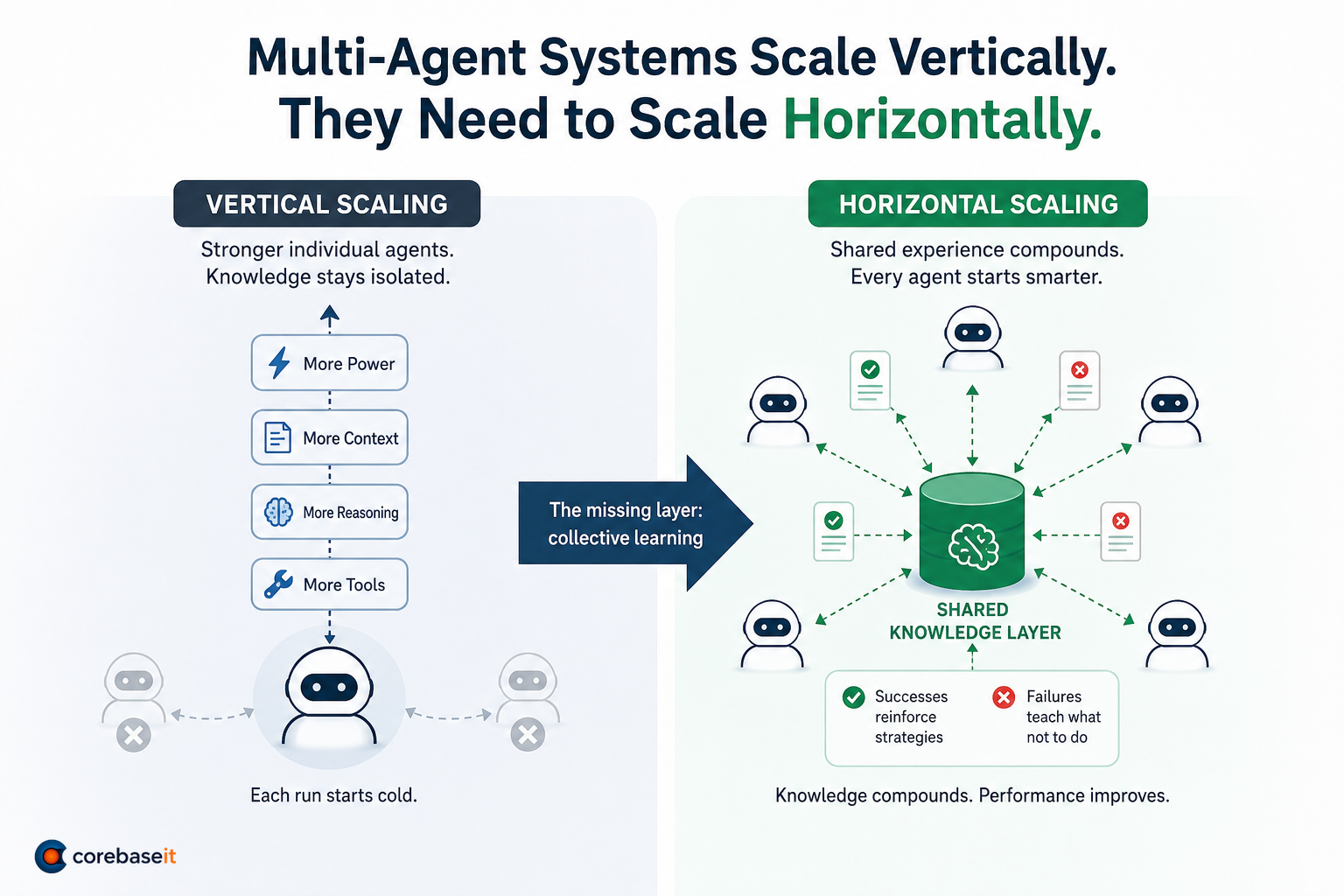
This post continues the ideas explored in Part I: Super Agents and Multi-Agent Communication and Part II: Swarm Intelligence. Those posts covered how agents coordinate within a workflow. This one asks …
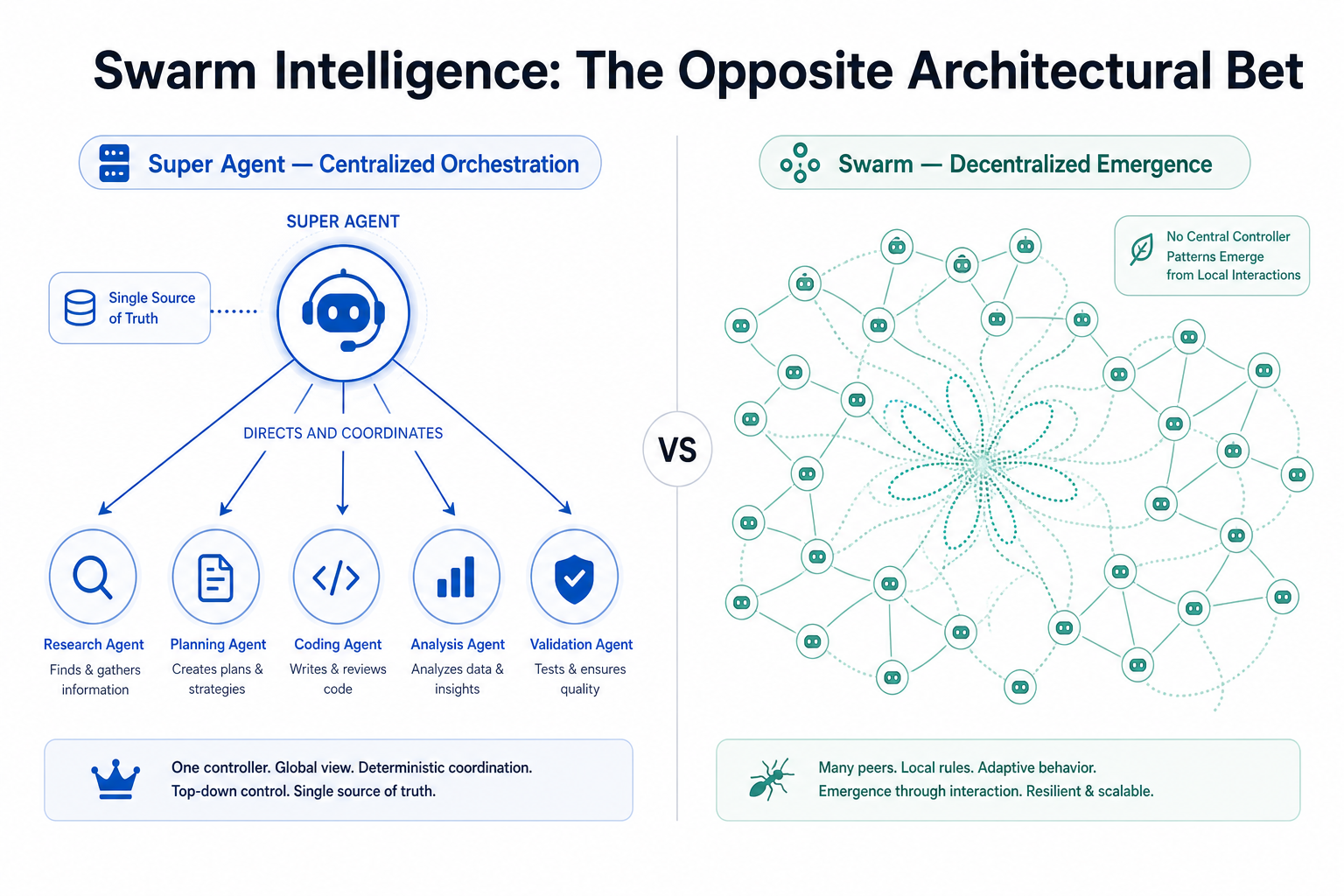
This is Part II of a two-part series on multi-agent AI architecture. Part I covered the super agent pattern: centralized orchestration, structured communication, and a single source of truth. This …
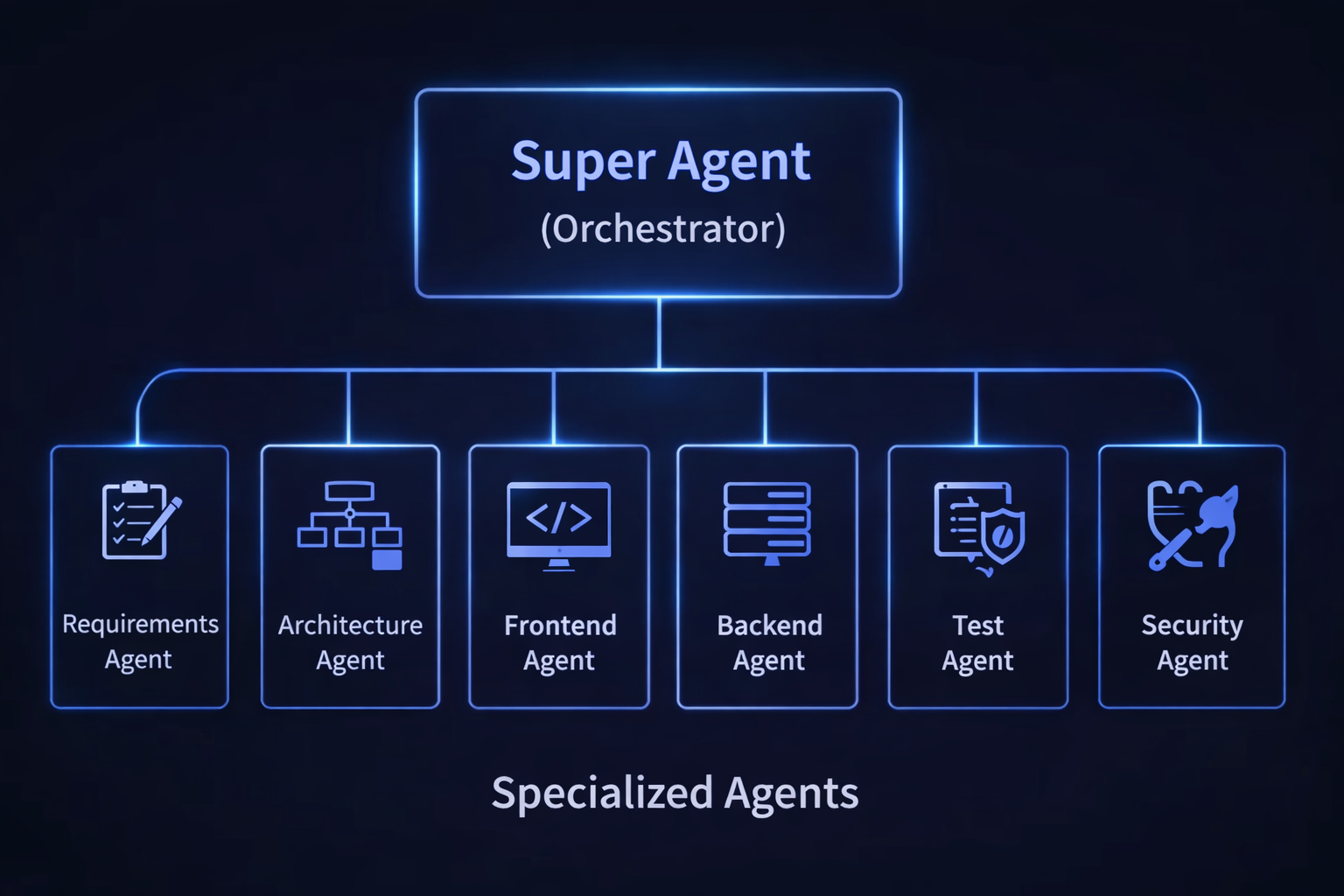
This is Part I of a two-part series on multi-agent AI architecture. This post covers centralized orchestration. Part II explores the opposite approach: swarm intelligence. I’ve been reading a …
Language models don't reason. Not in the way humans do.