6 min read
The Hidden Mathematics of Multi-Agent AI: Why Agent Communication Does Not Scale Linearly
A simple counting formula explains why fully connected multi-agent systems become hard to control long before they become impressive.
A simple counting formula explains why fully connected multi-agent systems become hard to control long before they become impressive.
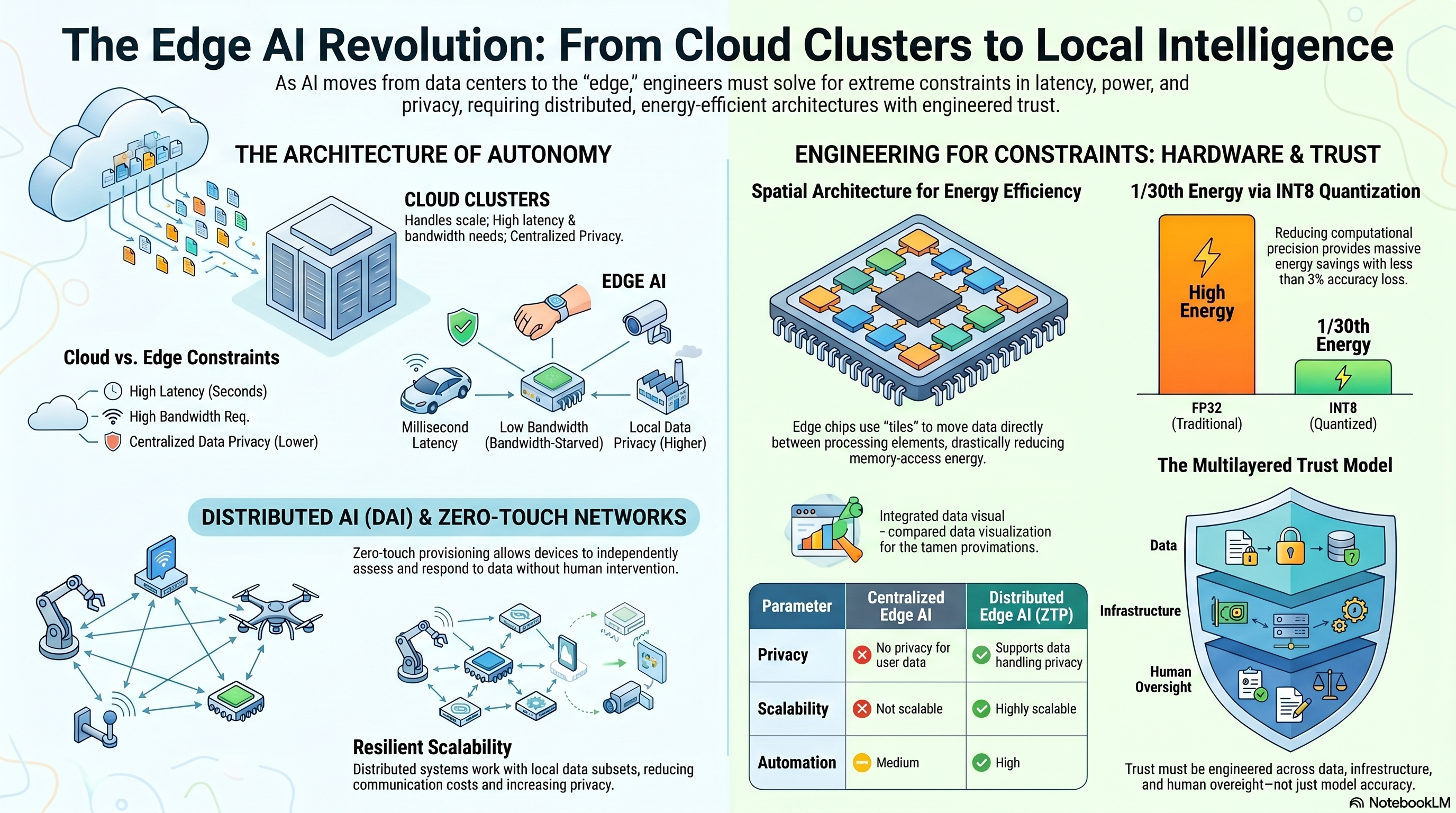
There is a quiet architectural shift happening beneath the surface of the AI conversation. While the public discourse fixates on data center GPU clusters and trillion-parameter …
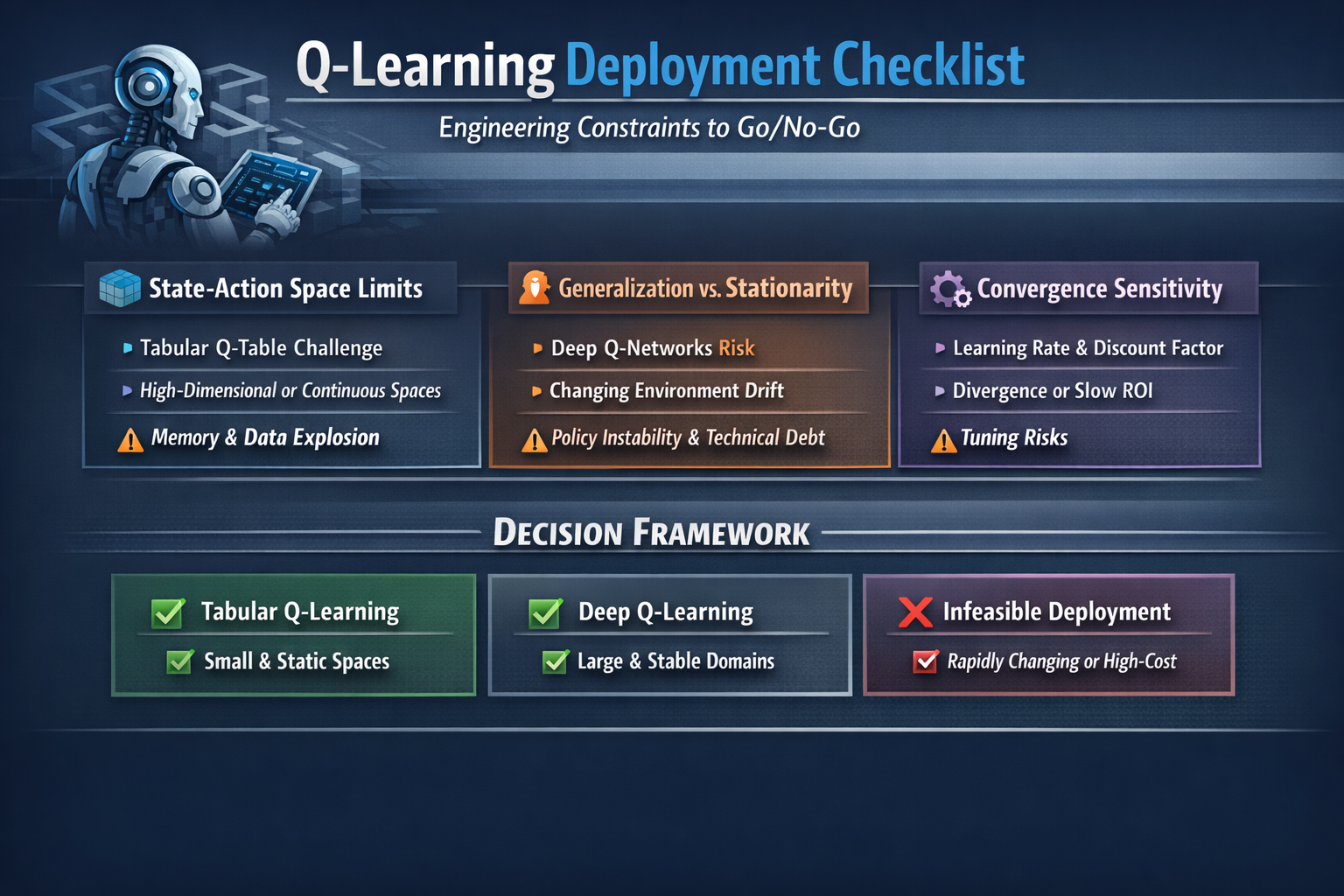
Q-learning for production decision systems: when tabular or deep Q-networks (DQN) make sense, state–action limits, stationarity, exploration cost, convergence risks—and when to say …
Your favourite AI can compose a flawless sonnet, generate syntactically perfect ISO 8583 messages, and produce compilable C++ on the first attempt. Ask it whether that ISO message …
For most of us, the first things we learned did not come from a feed or a model. They came from people. Parents taught us how to speak, how to behave, how to apologize, how to tell …
Language models don't reason. Not in the way humans do.
Data Quality and Accessibility — The Foundation You Can’t Skip Part 3 of 4 in the Generative AI Foundations series We’ve covered the hierarchy and the landscape. Now …
The AI Hierarchy — From Broad to Specific Part 1 of 4 in the Generative AI Foundations series Let’s start with the thing that trips up more people than it should: the …
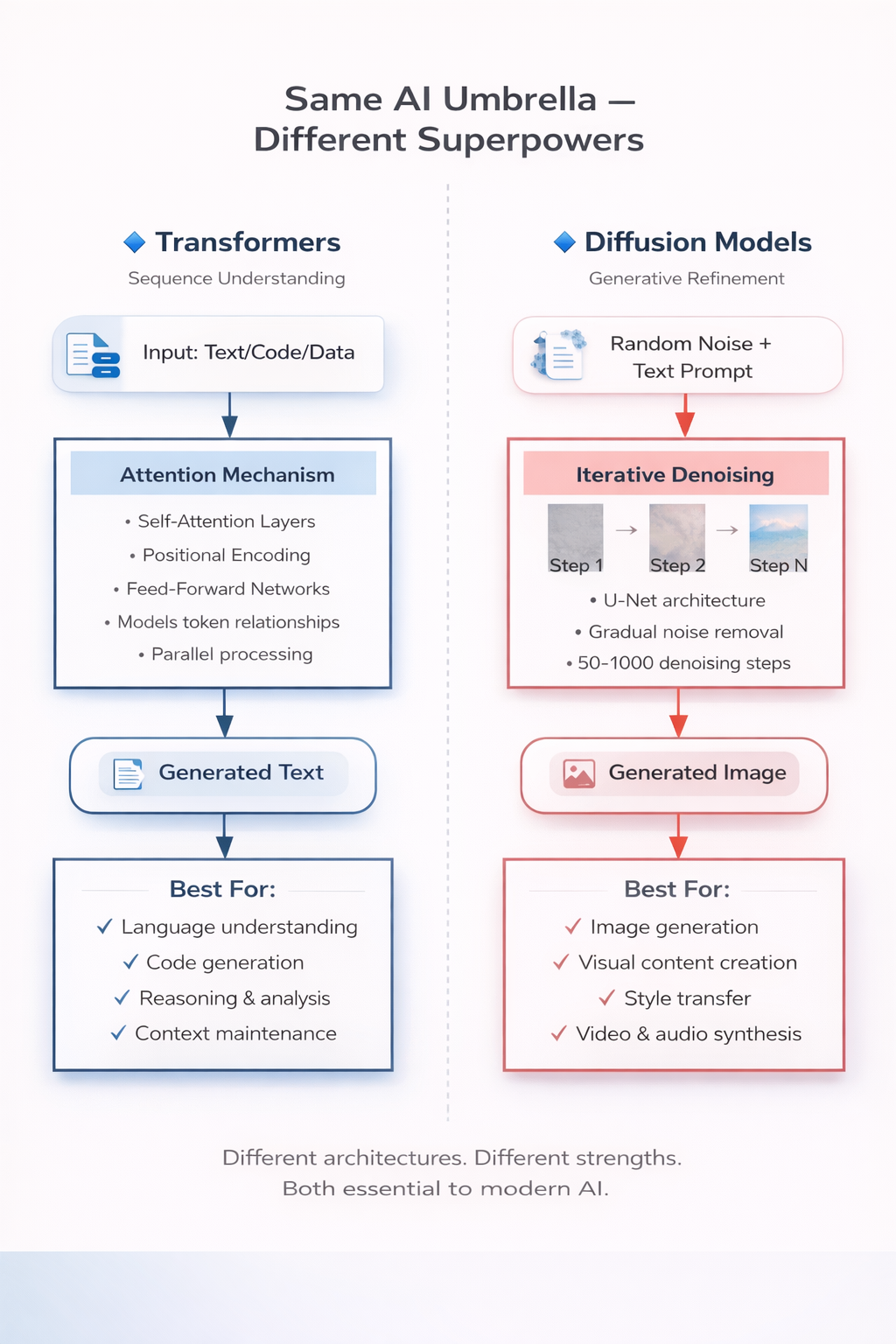
We casually say “AI can write, AI can draw, AI can code” as if it’s one thing. It’s not. Two of the most talked-about model families in AI today solve …
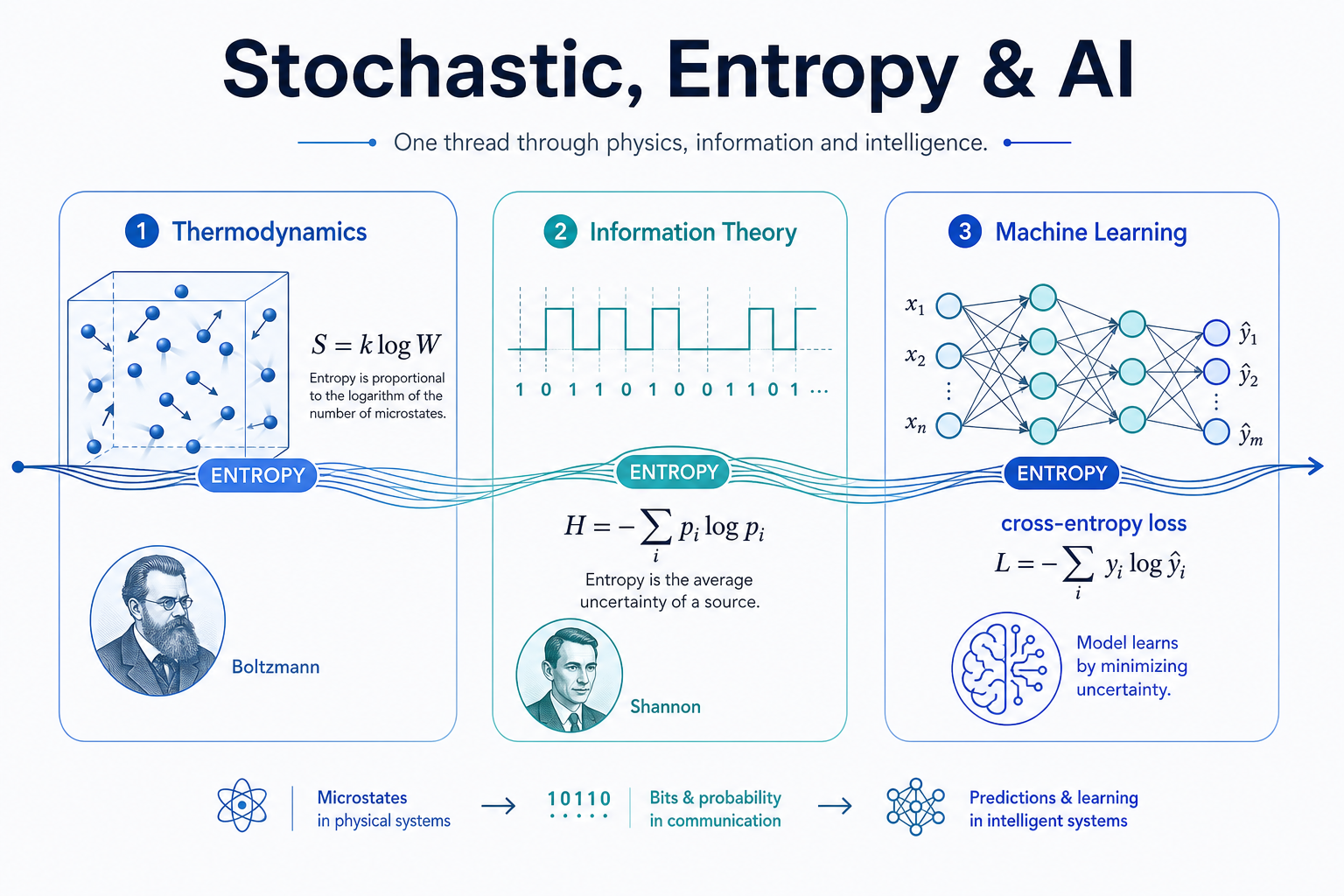
I was listening to a podcast the other day about AI and the mathematics behind it — especially stochastic processes, entropy, and probability — and it immediately drew me in. With …