Why PIN Still Matters in Card-Present Payments
EMV authenticates the card. PIN still helps authenticate the cardholder.
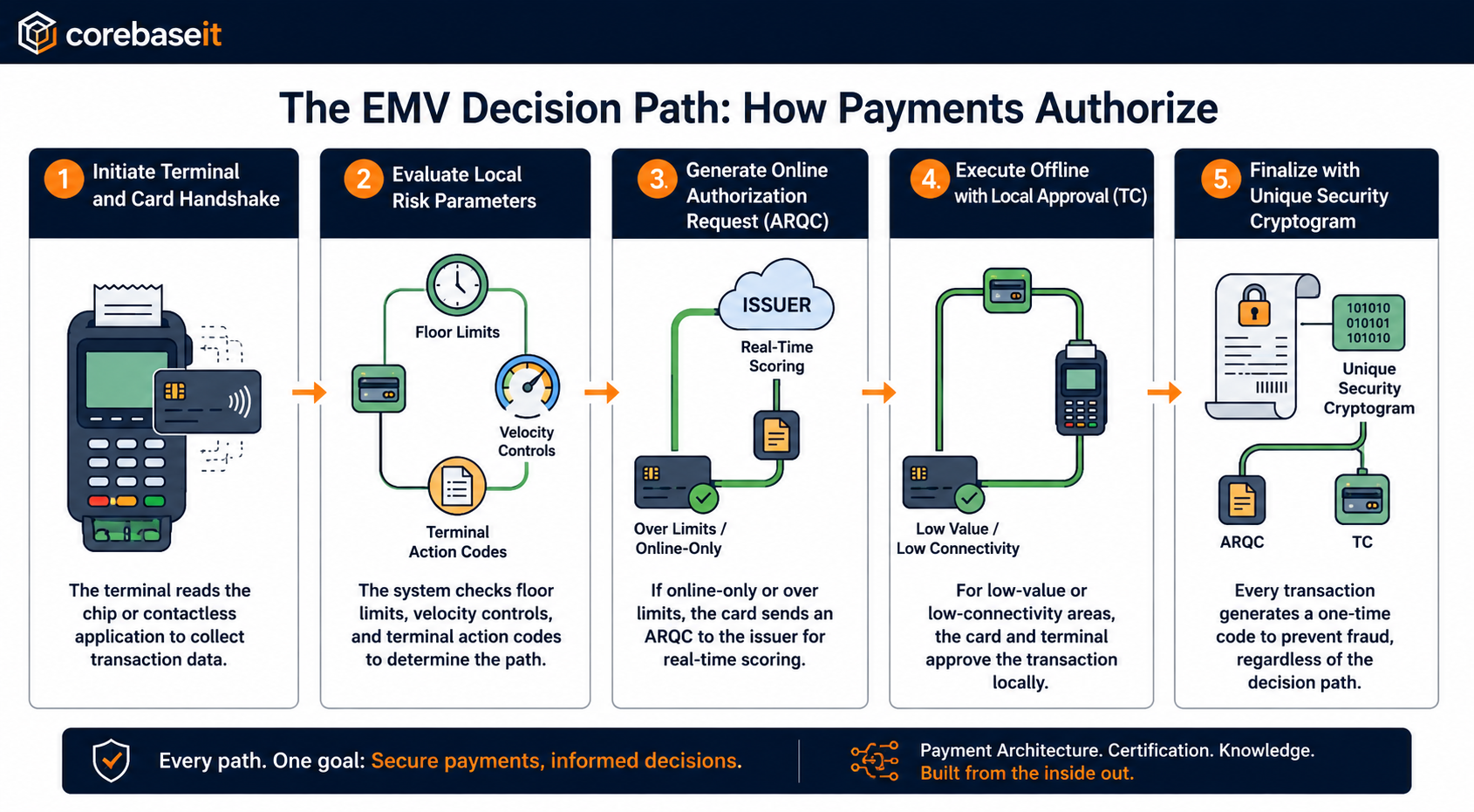
Every chip card generates a unique cryptographic proof each time you tap or insert it. That proof is why cloning a chip card’s transaction capability is effectively …
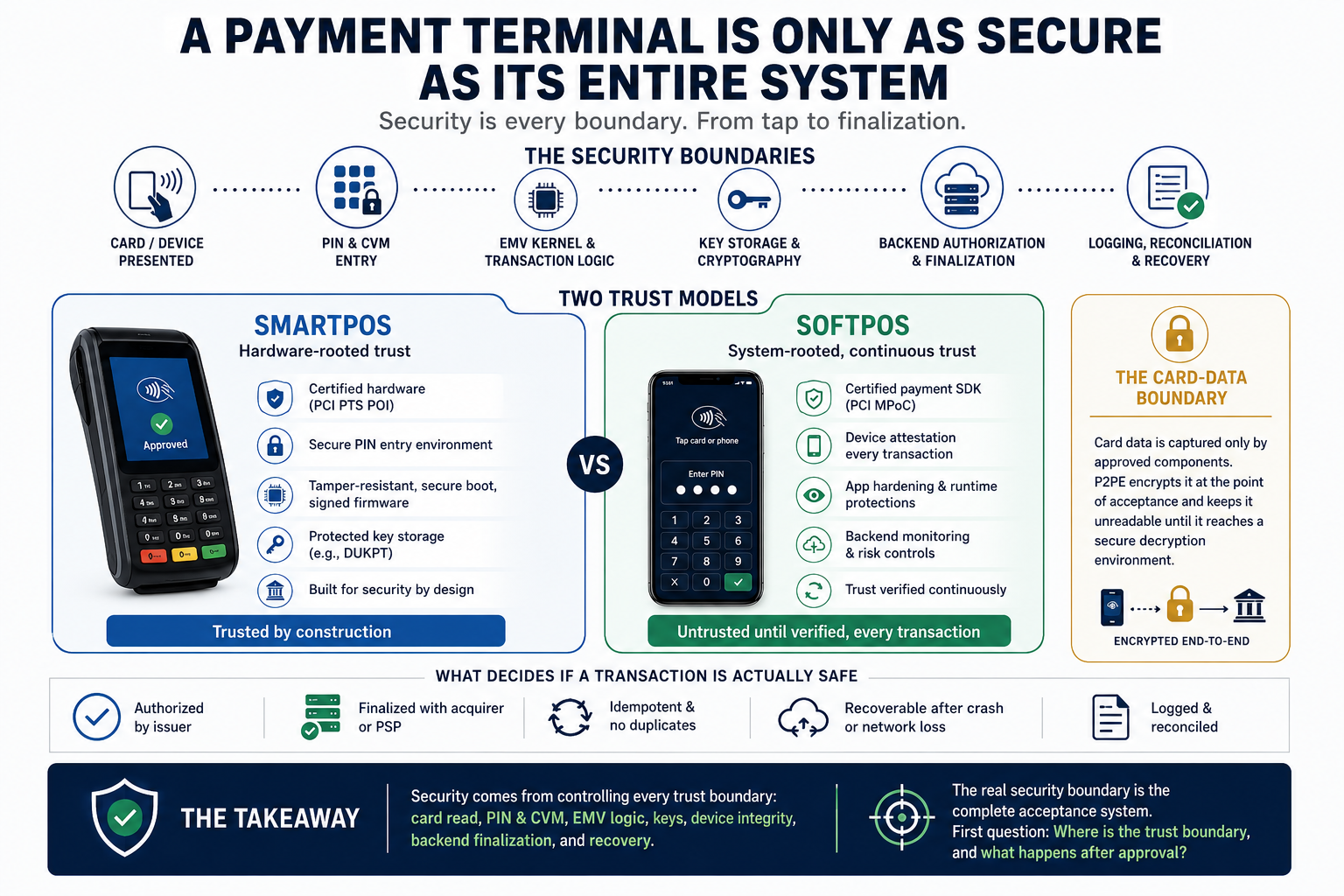
PCI PTS classifies devices at the hardware level. But Visa and Mastercard classify transactions at the message level. No scheme inspects the physical terminal to determine whether …
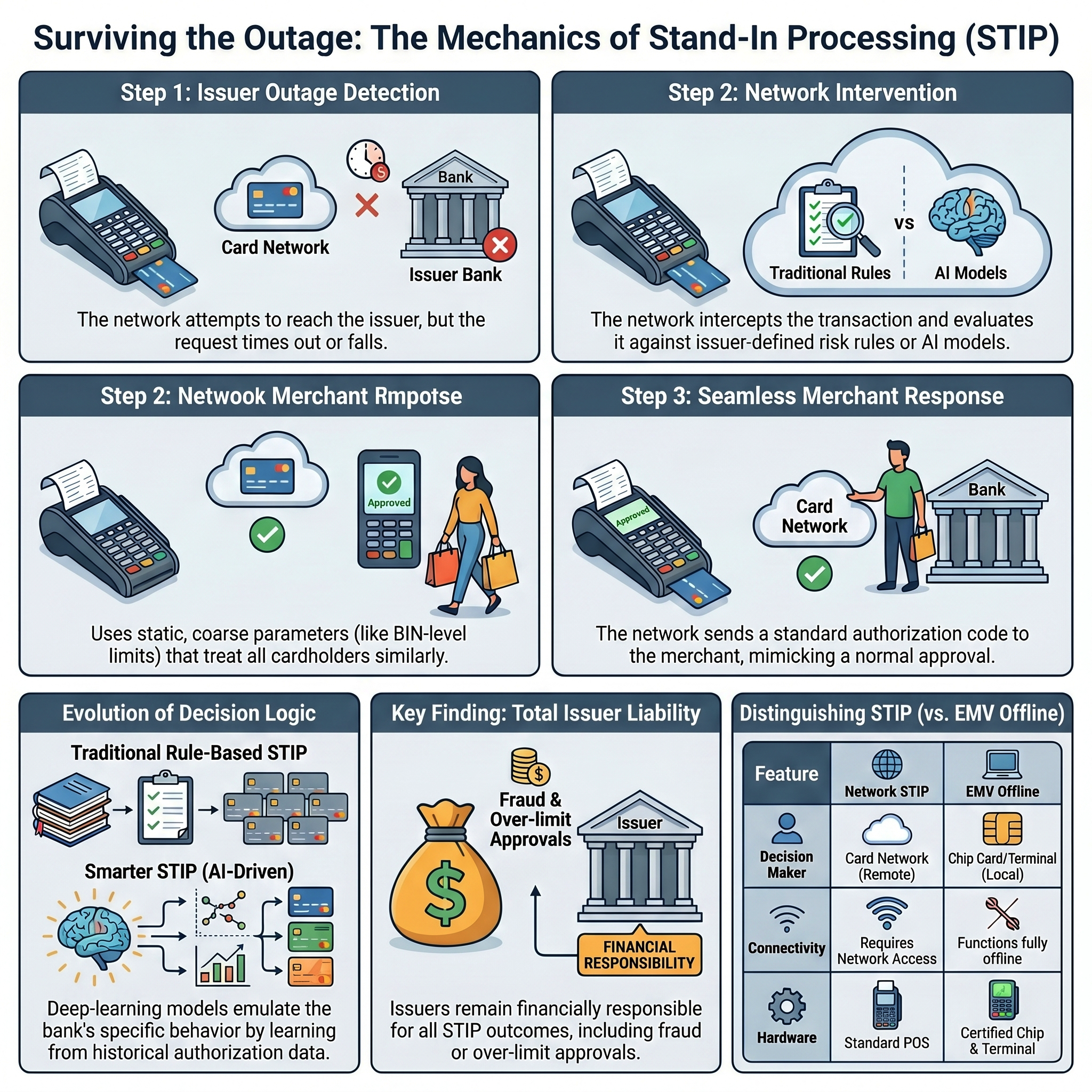
When a POS has no connectivity, merchants still need to accept payments. The industry uses terms like “offline transaction” and “offline processing” loosely …
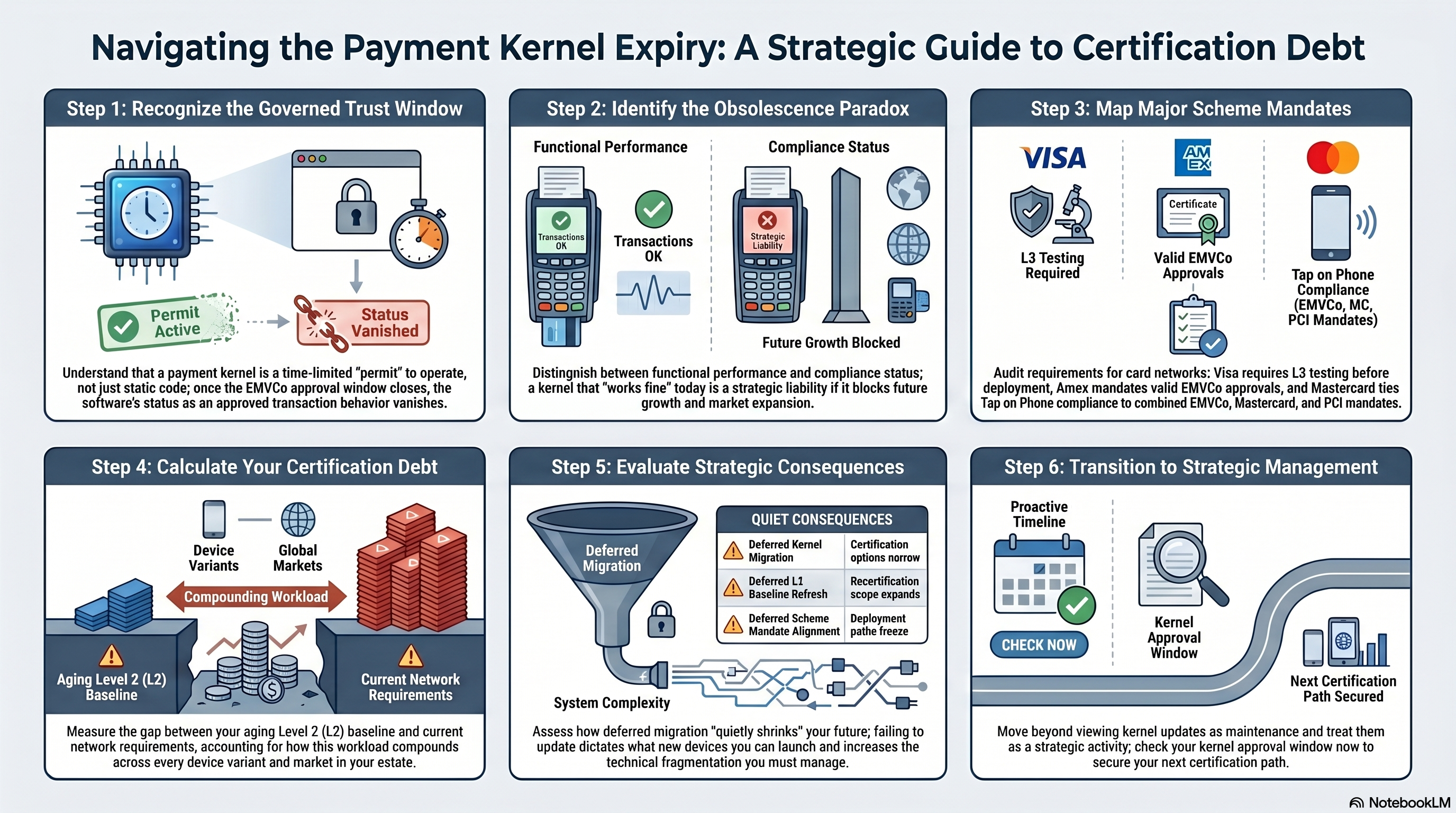
When people talk about “L3 certification,” they often treat it as a single, uniform process. It isn’t. EMV Level 3 focuses on validating integration of the …
When you certify a SmartPOS terminal, the environment classification isn’t a minor detail — it’s a first-order architectural decision that determines CVM behavior, risk …
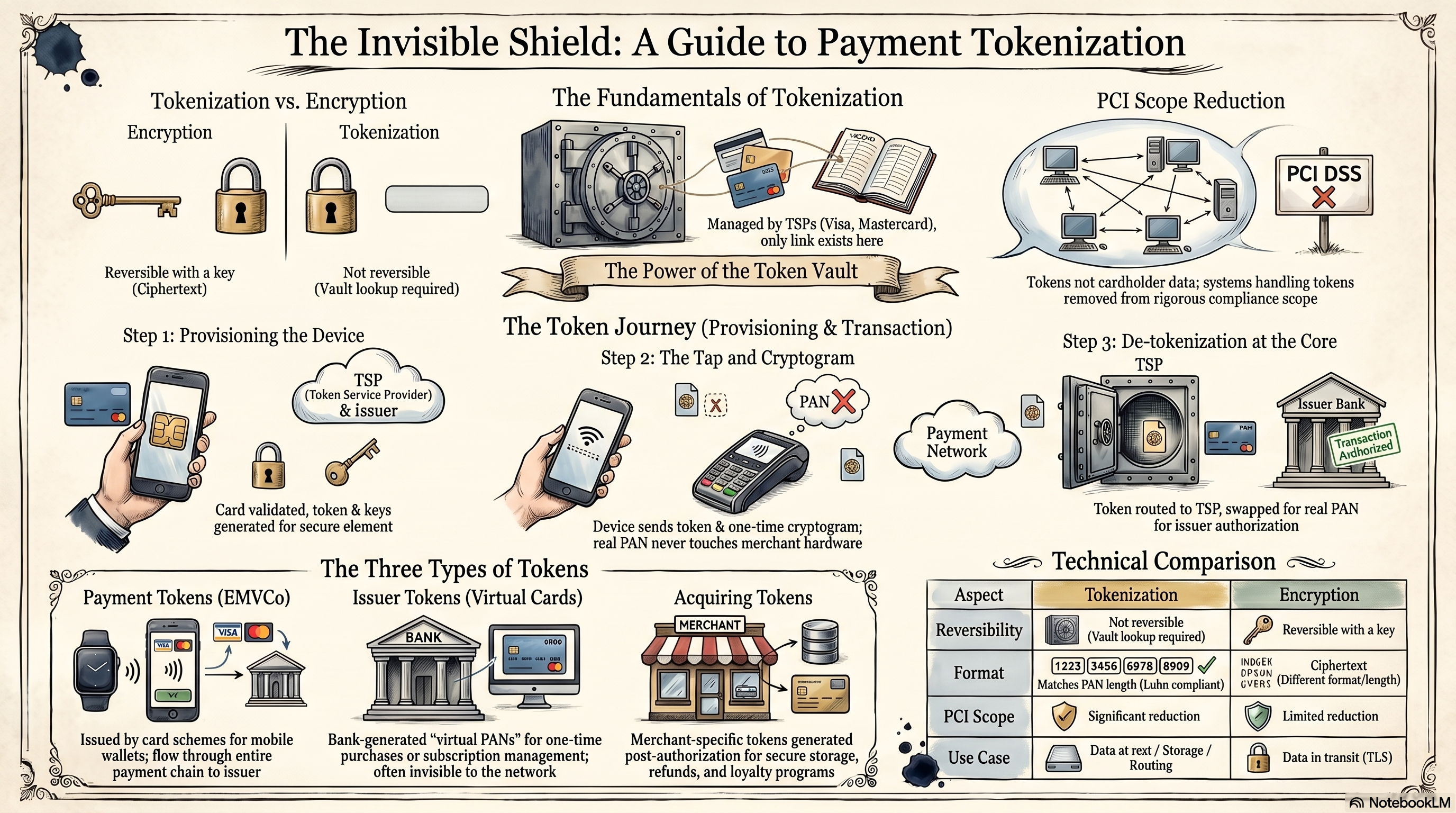
Every time you tap or insert a chip card, the card generates a unique cryptogram — a cryptographic proof that this specific transaction is legitimate and hasn’t been seen …
Track 2 is the numeric-only magnetic-stripe data format defined in ISO/IEC 7813, with a maximum length of 40 characters. The discussion here complements the broader POS and EMV …
Most developers working with payments eventually run into EMV — often described as complicated, arcane, or impossible to understand without a 300-page spec. The reality is simpler: …